Introduction
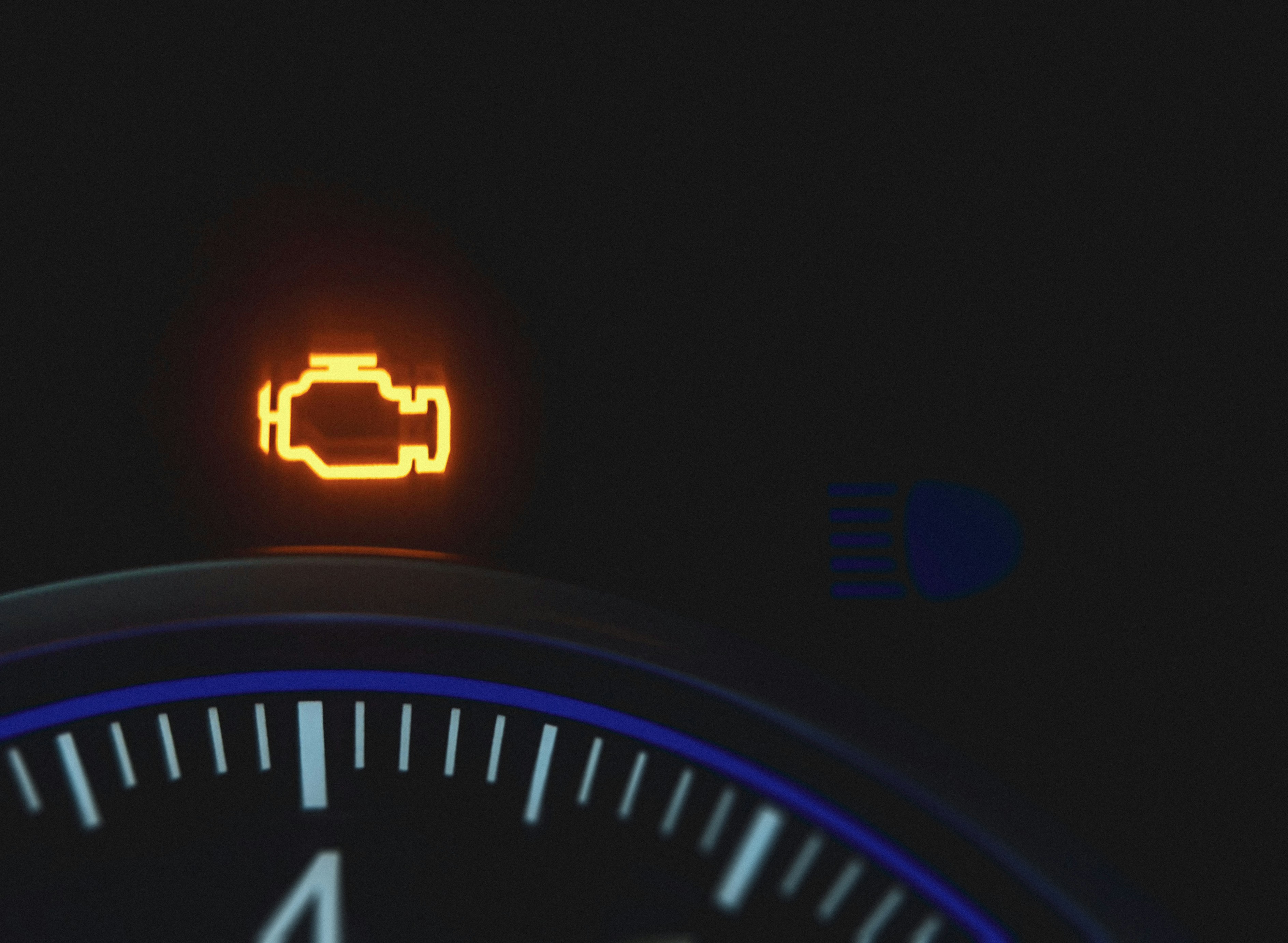
A check engine light can appear for a wide range of reasons, from a loose gas cap to a faulty sensor. While clearing the light is usually simple, it’s important to understand the underlying issue before resetting it. This guide explains how to safely clear a check engine light, what tools you’ll need, and when to avoid clearing it.
What You'll Need
• Vehicle manual
• Internet access for code lookup
• Gloves (optional)
• Rag or towel (optional)
Steps
Turn off your vehicle and locate the OBD-II port, usually under the dashboard on the driver’s side.
Plug the OBD-II scanner into the port and turn the ignition to the ON position without starting the engine.
Allow the scanner to power up and read the diagnostic trouble codes (DTCs).
Write down or save the codes so you can research what they mean.
Once the codes are identified, fix any simple issues such as tightening a gas cap or replacing a dirty air filter.
Use the scanner’s menu to select “Clear Codes” or “Erase Codes.” This will reset the check engine light.
Turn off the ignition, unplug the scanner, and restart the vehicle to confirm the light is gone.
Drive for a short period. If the light returns, it indicates an unresolved issue that may require professional diagnosis.
Alternative Methods
• Disconnect the negative battery terminal for 10–15 minutes to reset the car’s computer.
• Use a smartphone-based OBD-II app paired with a Bluetooth scanner for easier diagnostics.
• Some vehicles allow clearing codes by removing specific fuses, but this varies by model and should be checked in your manual.
What NOT to Do
• Do not clear the check engine light without first checking the diagnostic code.
• Do not ignore a returning check engine light—it often indicates a real issue.
• Avoid driving long distances after resetting the light if you haven’t fixed the underlying problem.
• Do not use random “tricks” found online, as they may damage your vehicle’s electrical system.
FAQs
Can I clear a check engine light without fixing the problem?
Yes, but the light will almost always return. It’s important to address the underlying cause.
Will clearing the light cause damage?
No, clearing codes is safe. However, ignoring a repeated warning can lead to costly repairs.
Why does my check engine light come back immediately?
This usually indicates an active fault, such as a failing sensor or a more serious engine issue.
Is it safe to drive with the check engine light on?
It depends on the code. Some issues are minor, but others require immediate attention. Use an OBD-II scanner to identify the cause.
This article is for informational purposes only. Always follow manufacturer instructions and use proper safety precautions. You assume all risk for any actions you take based on this guide.
Articles
Read our latest guides
Discover step-by-step methods for removing stains and cleaning every type of surface.

How to Clean Oil Paint Brushes
Learn how to safely and effectively clean oil paint brushes without damaging the bristles.
Read more
How to Clean a Cricut Mat
Learn how to safely clean a Cricut mat without damaging its adhesive, so it stays sticky and ready for crafting.
Read more

How to Clean Acrylic Paint Brushes
Learn how to remove acrylic paint from your brushes before it dries, helping them last longer and perform better.
Read more