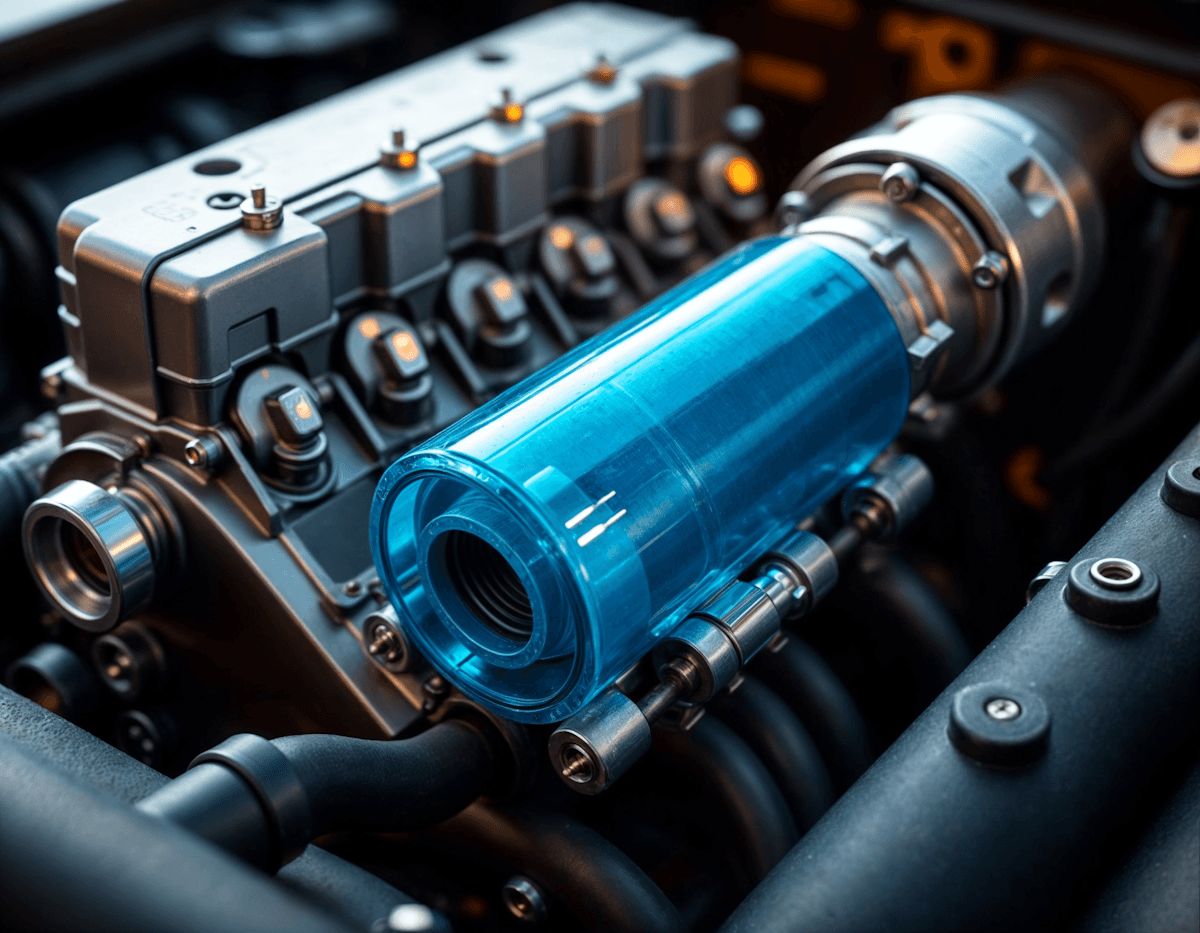
Introduction
Dirty fuel injectors can cause rough idling, poor acceleration, reduced fuel economy, and overall engine inefficiency. Regular cleaning helps maintain optimal spray patterns and ensures your engine runs smoothly.
What You'll Need
• Fuel injector cleaner (for gas or diesel engines)
• Full tank of fuel
• Funnel (optional)
• Fuel injector cleaning kit (optional for direct connection systems)
Steps
Read your vehicle’s manual to confirm the correct type of injector cleaner.
Pour the recommended amount of fuel injector cleaner into your gas tank. Add it before filling up to help the cleaner mix thoroughly.
Fill the tank completely with fuel to allow proper dilution and flow of the cleaning solution.
Drive normally for at least 20–30 minutes to let the cleaner circulate through the injectors.
Repeat the cleaning process every 3,000–5,000 miles or as recommended by your vehicle manufacturer.
For deeper cleaning, use a professional fuel injector cleaning kit that connects directly to the fuel rail.
If performance issues persist, consider having the injectors professionally cleaned or replaced.
Alternative Methods
• Use a pressurized fuel injector cleaning kit for a more thorough clean
• Remove injectors for ultrasonic cleaning
• Add a high-strength concentrated cleaner for severe buildup
What NOT to Do
• Don’t use diesel cleaner in a gasoline engine or vice versa
• Don’t exceed recommended cleaner amounts
• Don’t attempt injector removal unless you understand the process
FAQs
How often should I clean my fuel injectors?
Most vehicles benefit from cleaning every 3,000–5,000 miles, or whenever performance issues arise.
Will fuel injector cleaner fix engine misfires?
It can help if the misfire is caused by clogged injectors, but mechanical or electrical issues require further diagnosis.
Can dirty fuel injectors reduce gas mileage?
Yes. Clogged injectors disrupt fuel spray patterns, making the engine burn fuel less efficiently.
This article is for informational purposes only. Always follow manufacturer instructions and use proper safety precautions. You assume all risk for any actions you take based on this guide.
Articles
Read our latest guides
Discover step-by-step methods for removing stains and cleaning every type of surface.

How to Clean Oil Paint Brushes
Learn how to safely and effectively clean oil paint brushes without damaging the bristles.
Read more
How to Clean a Cricut Mat
Learn how to safely clean a Cricut mat without damaging its adhesive, so it stays sticky and ready for crafting.
Read more

How to Clean Acrylic Paint Brushes
Learn how to remove acrylic paint from your brushes before it dries, helping them last longer and perform better.
Read more