Introduction
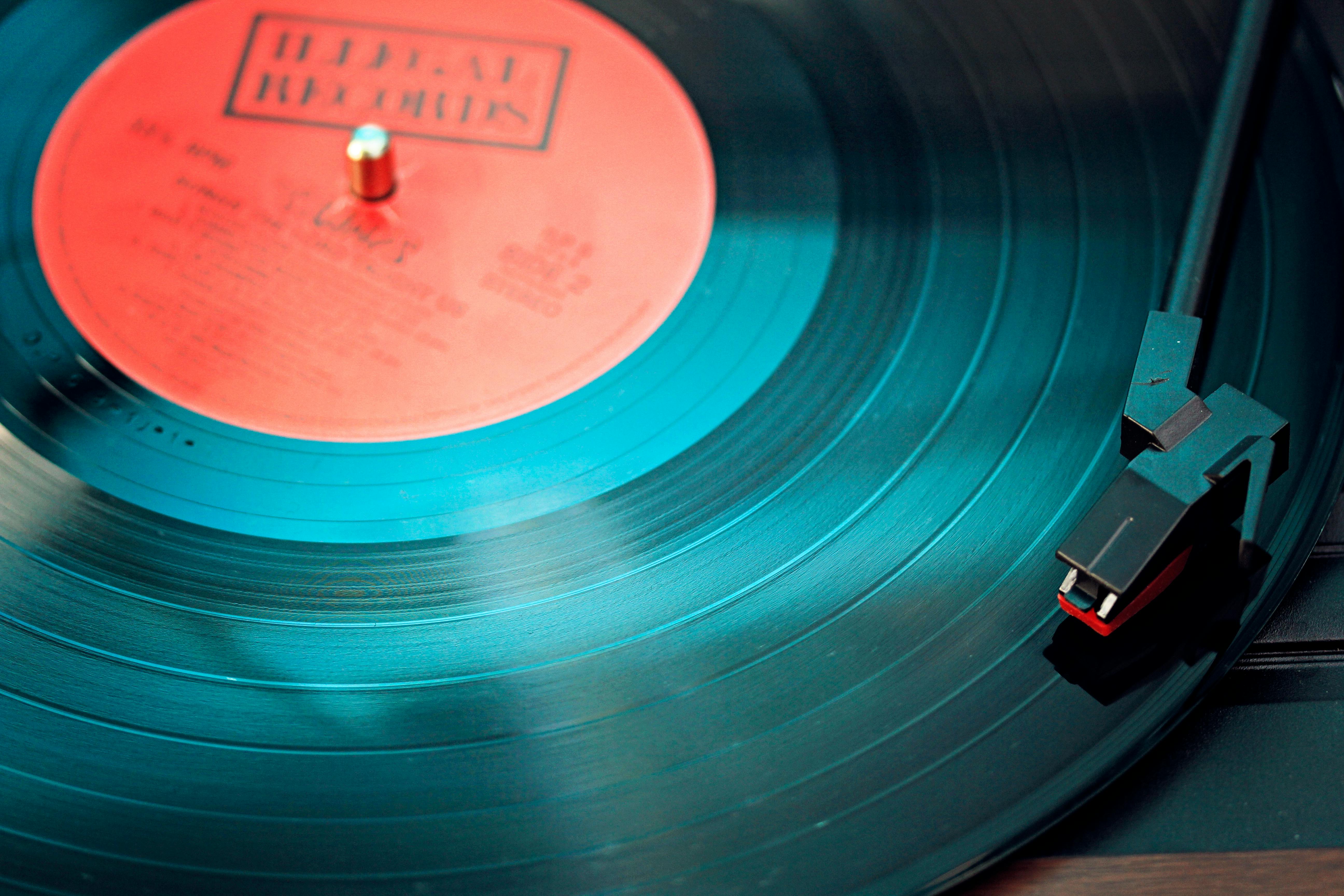
Vinyl records attract dust, oils, and static, which can affect sound quality and cause pops or skips during playback. Regular cleaning not only improves audio performance but also helps protect the grooves from long-term wear. With the right tools and gentle techniques, you can clean your records safely at home.
What You'll Need
• Record cleaning brush or anti-static brush
• Distilled water
• Mild dish soap (optional)
• Record cleaning solution (optional)
• Spray bottle
Steps
Remove loose dust by gently brushing the record in a circular motion using a record-cleaning or anti-static brush.
Mix distilled water with one or two drops of mild dish soap, or use a premade record cleaning solution.
Lightly spray the cleaning solution onto a microfiber cloth—never directly onto the record.
Wipe the record in smooth, circular motions following the grooves. Avoid rubbing back and forth.
Clean both sides of the record, then use a dry microfiber cloth to remove any remaining moisture.
Allow the record to air-dry fully before placing it back into its sleeve or playing it.
Alternative Methods
• Use a record-cleaning machine for deep, professional-level cleaning.
• Try a gel-based record cleaning roller to lift dust safely.
• Use an anti-static gun to reduce static buildup before and after cleaning.
What NOT to Do
• Do not use tap water, as minerals can leave residue in the grooves.
• Do not use alcohol on shellac or older fragile records; it can cause damage.
• Do not scrub aggressively or wipe against the direction of the grooves.
• Avoid household cleaners, glass cleaners, or abrasive pads.
FAQs
How often should I clean my vinyl records?
Light dusting before each play is ideal, and a deeper clean every few weeks helps maintain quality.
Can I use alcohol to clean records?
Alcohol is safe for most modern vinyl but should not be used on shellac records. When in doubt, stick to distilled water and mild soap.
Why is my record still noisy after cleaning?
Dust may be trapped inside the inner sleeve or on the stylus. Clean the needle and replace worn sleeves.
This article is for informational purposes only. Always follow manufacturer instructions and use proper safety precautions. You assume all risk for any actions you take based on this guide.
Articles
Read our latest guides
Discover step-by-step methods for removing stains and cleaning every type of surface.

How to Clean Oil Paint Brushes
Learn how to safely and effectively clean oil paint brushes without damaging the bristles.
Read more
How to Clean a Cricut Mat
Learn how to safely clean a Cricut mat without damaging its adhesive, so it stays sticky and ready for crafting.
Read more
How to Clean Acrylic Paint Brushes
Learn how to remove acrylic paint from your brushes before it dries, helping them last longer and perform better.
Read more