
Introduction
Mold on leather can occur when moisture, humidity, and poor ventilation allow spores to grow. Because leather is porous and delicate, removing mold requires gentle methods that eliminate the problem without harming the material.
What You'll Need
• Soft cloths
• Rubbing alcohol
• Water
• Mild soap
• Soft-bristle brush
• White vinegar (optional)
Steps
Dampen a soft cloth with equal parts water and rubbing alcohol.
Gently wipe the moldy areas to lift and kill mold spores.
Use a mild soap and water solution to clean the entire leather surface.
Wipe the leather with a clean, damp cloth to remove residue.
Allow the leather to air-dry completely away from direct heat or sunlight.
Apply a leather conditioner to restore moisture and prevent cracking.
Repeat the cleaning process for stubborn mold spots.
Alternative Methods
• Use white vinegar diluted with water as a natural mold remover
• Use a specialized leather cleaner designed for mold removal
• Use a soft brush to loosen dry mold before wiping
What NOT to Do
• Do not soak leather with water, as this can cause damage
• Do not use bleach or harsh chemicals on leather
• Do not dry leather with direct heat, which can cause cracking
FAQs
What causes mold to grow on leather?
Mold develops when leather is exposed to moisture, humidity, or poor airflow. Storing leather in damp environments increases the risk.
Can mold permanently damage leather?
If caught early, mold can usually be removed without lasting damage. If mold penetrates deeply, stains or weakening may occur.
How can I prevent mold from returning?
Store leather in a cool, dry place with proper ventilation. Use silica gel packs or dehumidifiers to reduce moisture levels.
This article is for informational purposes only. Always follow manufacturer instructions and use proper safety precautions. You assume all risk for any actions you take based on this guide.
Articles
Read our latest guides
Discover step-by-step methods for removing stains and cleaning every type of surface.
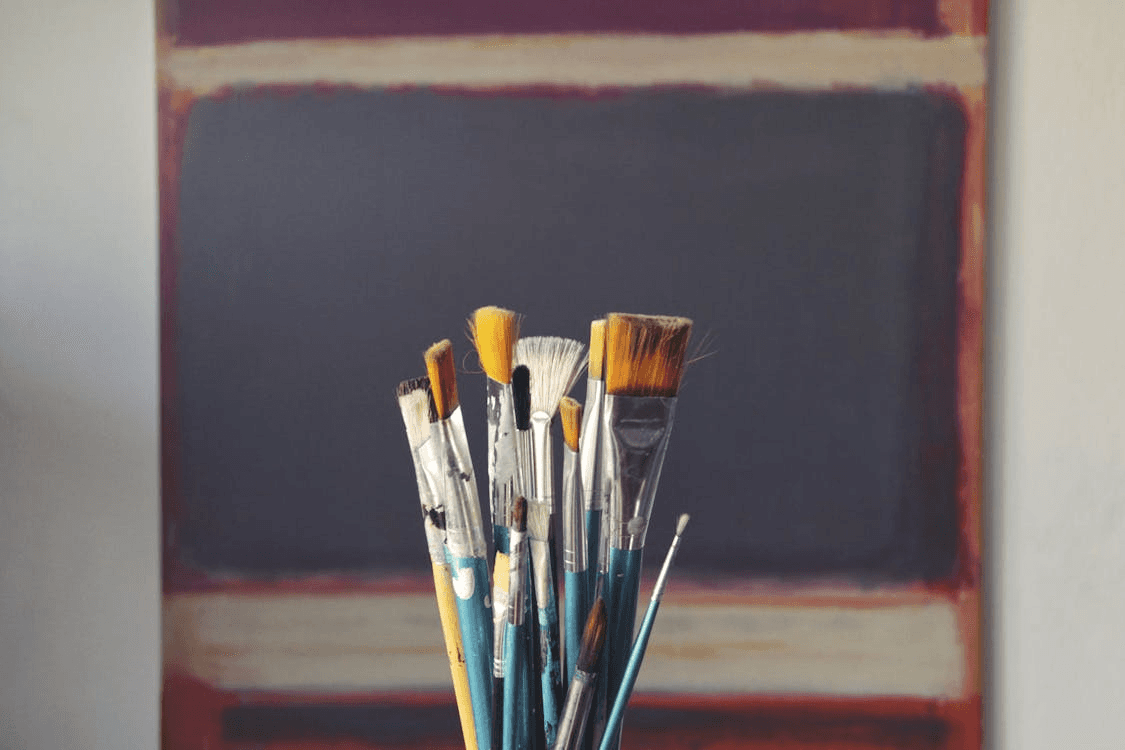
How to Clean Oil Paint Brushes
Learn how to safely and effectively clean oil paint brushes without damaging the bristles.
Read more
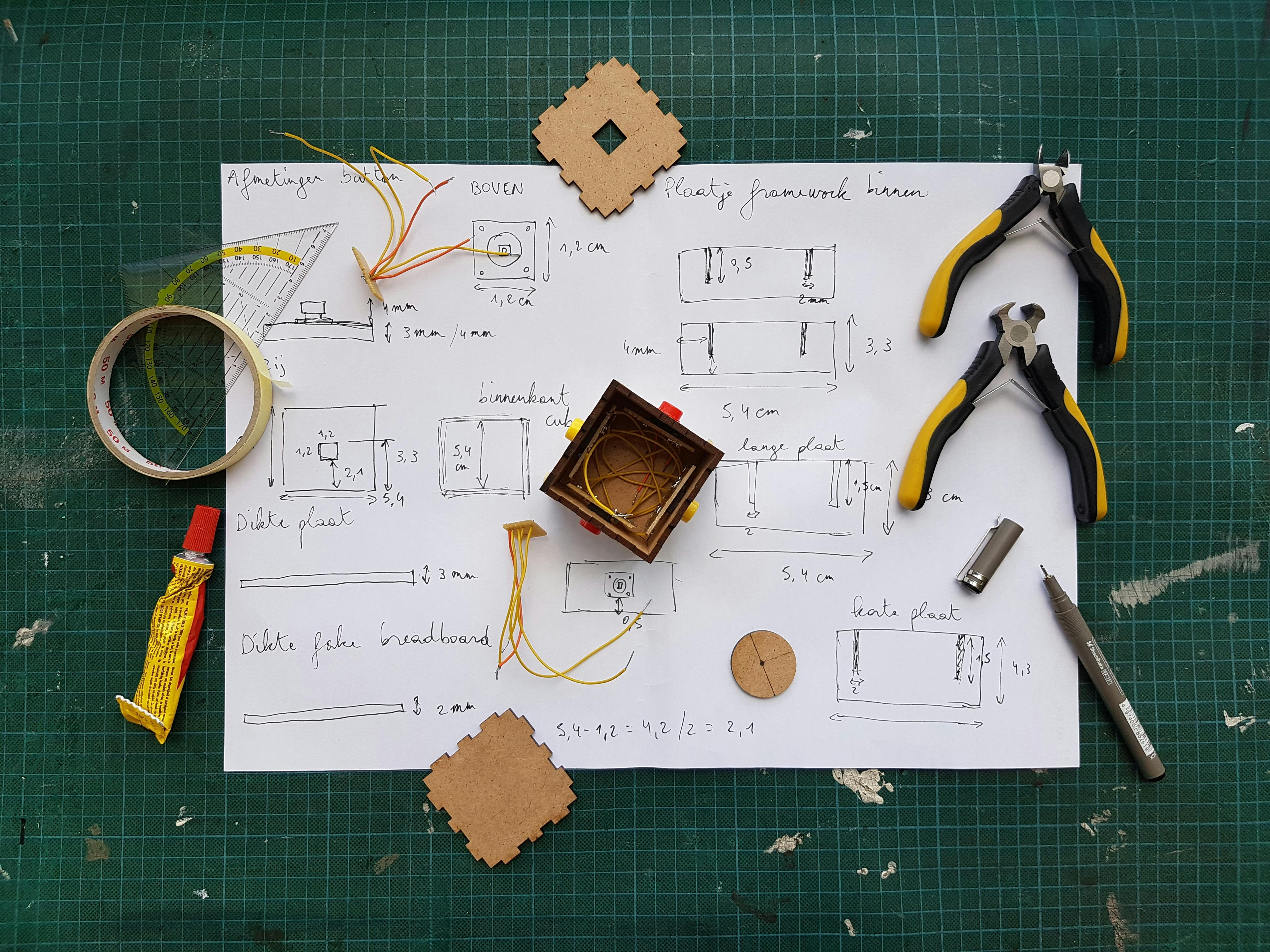
How to Clean a Cricut Mat
Learn how to safely clean a Cricut mat without damaging its adhesive, so it stays sticky and ready for crafting.
Read more
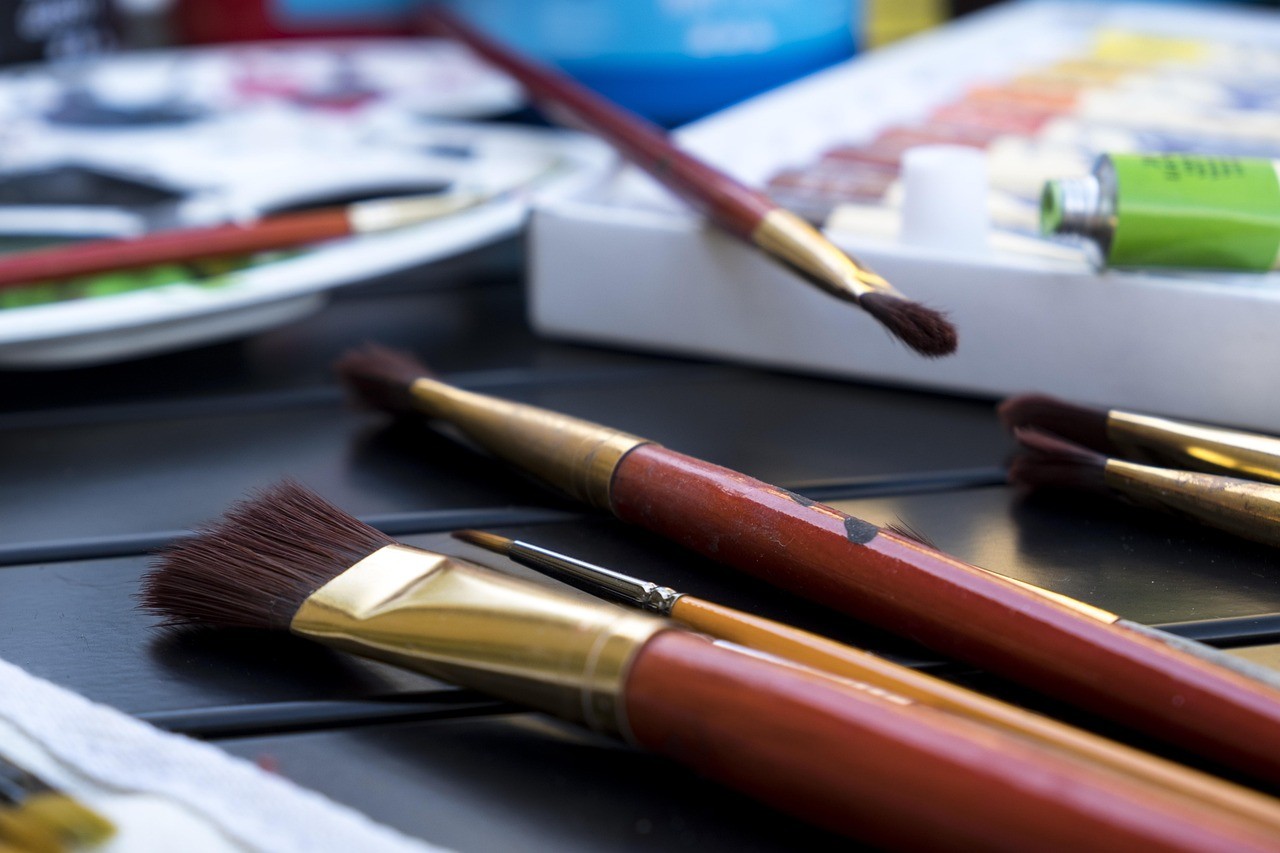
How to Clean Acrylic Paint Brushes
Learn how to remove acrylic paint from your brushes before it dries, helping them last longer and perform better.
Read more