Introduction
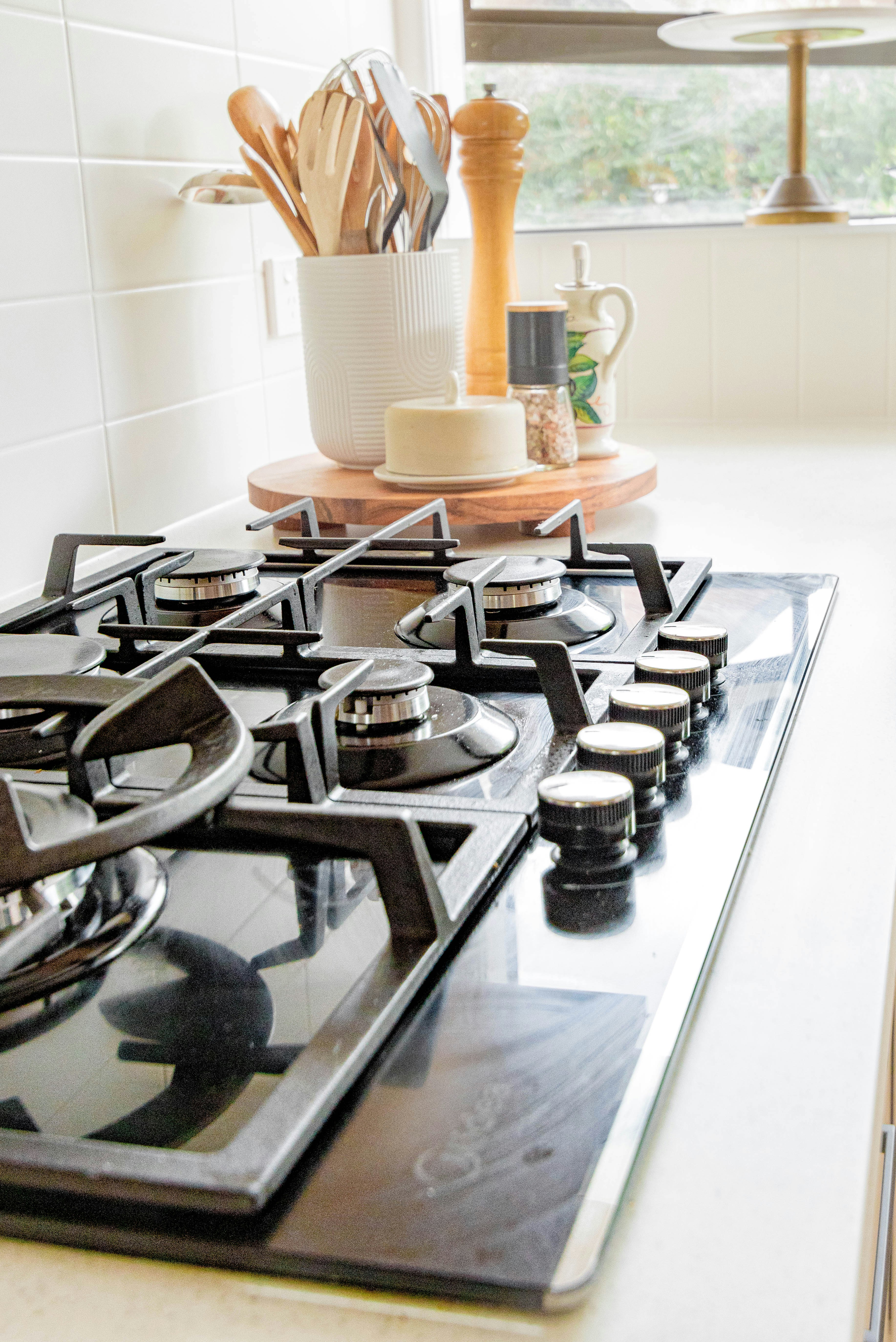
Gas stove grates collect grease, spilled food, and baked-on residue over time, which can impact both appearance and performance. Cleaning them regularly helps maintain even heating, prevents odors, and keeps your kitchen looking spotless. This guide shows you exactly how to clean gas stove grates safely and thoroughly.
What You'll Need
• Warm water
• Dish soap
• Baking soda
• Vinegar (optional)
• Non-scratch scrub brush or sponge
• Old toothbrush
• Trash bag or large container
Steps
Remove the grates from the stove and shake off any loose debris.
Fill your sink or a large container with warm water and dish soap, then submerge the grates for 15–30 minutes to loosen grime.
Create a baking soda paste (baking soda + a small amount of water) and spread it over stubborn, greasy areas.
Scrub the grates using a non-scratch brush or sponge, using an old toothbrush for tight corners.
Rinse thoroughly with warm water to remove all soap and residue.
Dry the grates completely with a towel or air-dry them before placing them back on the stove.
Alternative Methods
• Soak the grates in a mixture of vinegar and water for extra degreasing power.
• Place grates in a sealed trash bag with a small amount of ammonia overnight (do NOT mix ammonia with other cleaners).
• Use a commercial degreaser formulated for stovetops.
What NOT to Do
• Do not use steel wool unless your grates are fully coated cast iron—many finishes can scratch.
• Do not place grates in the dishwasher unless the manufacturer confirms it is safe.
• Do not mix ammonia with bleach or other chemicals—dangerous fumes can form.
FAQs
Why are my gas stove grates still sticky after washing?
Sticky residue usually means there’s still grease buildup. A second soak with baking soda paste or vinegar can help break it down.
Can I clean gas stove grates in the oven’s self-cleaning cycle?
Only if the manufacturer explicitly states it’s safe—many grates can discolor or warp in high heat.
How often should I clean my stove grates?
Light cleaning weekly and deep cleaning monthly helps prevent heavy buildup.
This article is for informational purposes only. Always follow manufacturer instructions and use proper safety precautions. You assume all risk for any actions you take based on this guide.
Articles
Read our latest guides
Discover step-by-step methods for removing stains and cleaning every type of surface.

How to Clean Oil Paint Brushes
Learn how to safely and effectively clean oil paint brushes without damaging the bristles.
Read more
How to Clean a Cricut Mat
Learn how to safely clean a Cricut mat without damaging its adhesive, so it stays sticky and ready for crafting.
Read more

How to Clean Acrylic Paint Brushes
Learn how to remove acrylic paint from your brushes before it dries, helping them last longer and perform better.
Read more