Introduction
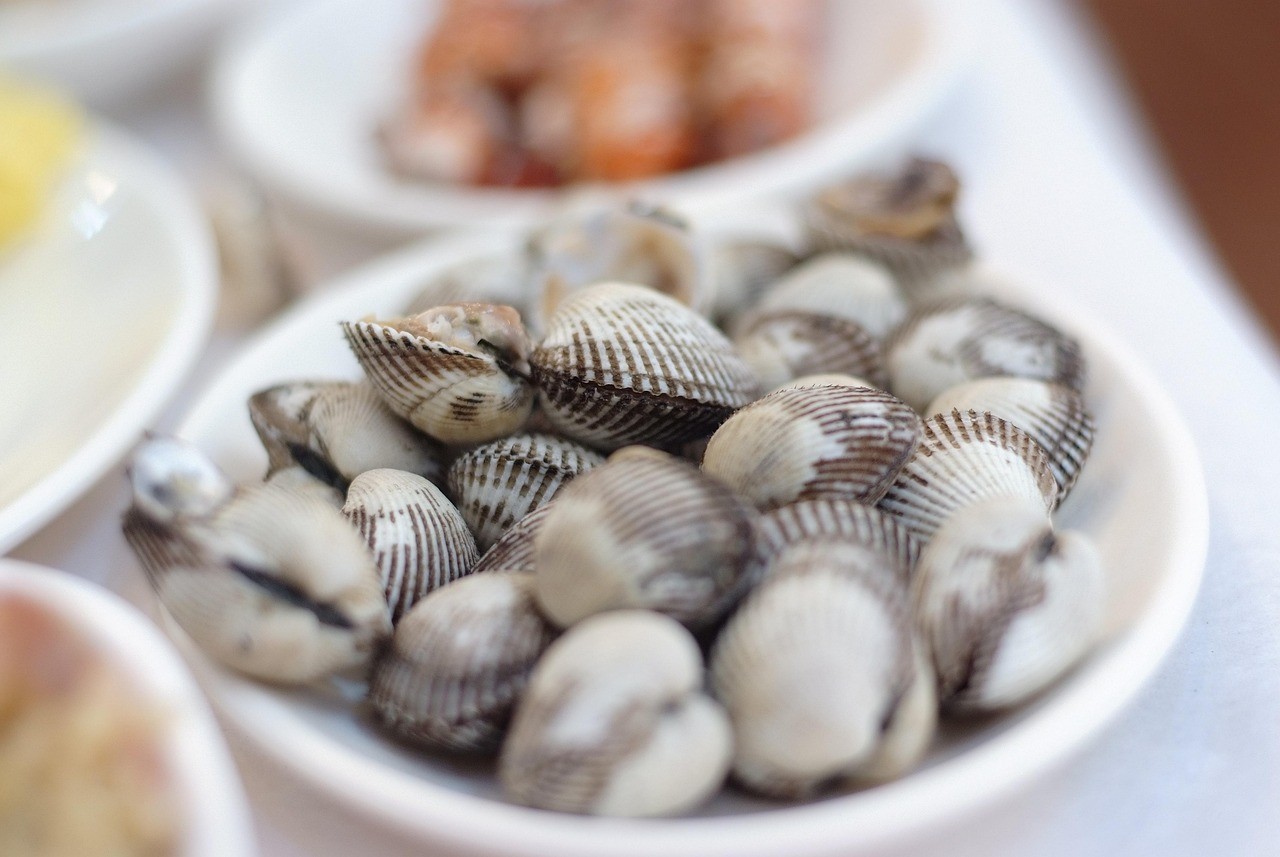
Cleaning clams is an essential step before cooking, as they naturally filter sand and grit from the ocean. If you skip this step, your dish may end up gritty or unpleasant. A proper soak and scrub ensures your clams are safe to eat and ready for steaming, frying, or any recipe you love.
What You'll Need
• Fresh live clams
• Large bowl
• Cold water
• Salt (optional for saltwater soak)
• Soft brush
• Colander
Steps
Inspect the clams and discard any cracked or open ones that don’t close when tapped.
Fill a large bowl with cold water. Add salt if you want to mimic natural seawater.
Submerge the clams and let them soak for 20–30 minutes so they purge sand and grit.
Lift the clams out (don’t pour — the sand settles at the bottom).
Scrub each clam’s shell gently with a soft brush under running water.
Rinse thoroughly and place them in a colander to drain before cooking.
Alternative Methods
• Cornmeal soak: Add a tablespoon of cornmeal to the soak to encourage clams to expel more grit.
• Baking soda soak: Add 1 teaspoon of baking soda to the water to help clams purge faster.
• Refrigerated overnight soak: Place clams in a bowl of salted water in the fridge for a slow purge.
What NOT to Do
• Don’t soak clams in warm water; it can kill them.
• Don’t store clams in an airtight container — they need to breathe.
• Don’t cook clams that remain open after tapping; they may be unsafe to eat.
FAQs
How long should I soak clams?
Clams typically need 20–30 minutes, but very gritty clams may need multiple soaks.
Can I freeze clams before cleaning them?
No — clams must be alive to purge sand properly. Freezing kills them.
Why are my clams still gritty after soaking?
You may need to repeat the soaking process or try a cornmeal soak for deeper cleaning.
This article is for informational purposes only. Always follow manufacturer instructions and use proper safety precautions. You assume all risk for any actions you take based on this guide.
Articles
Read our latest guides
Discover step-by-step methods for removing stains and cleaning every type of surface.

How to Clean Oil Paint Brushes
Learn how to safely and effectively clean oil paint brushes without damaging the bristles.
Read more
How to Clean a Cricut Mat
Learn how to safely clean a Cricut mat without damaging its adhesive, so it stays sticky and ready for crafting.
Read more
How to Clean Acrylic Paint Brushes
Learn how to remove acrylic paint from your brushes before it dries, helping them last longer and perform better.
Read more