Introduction
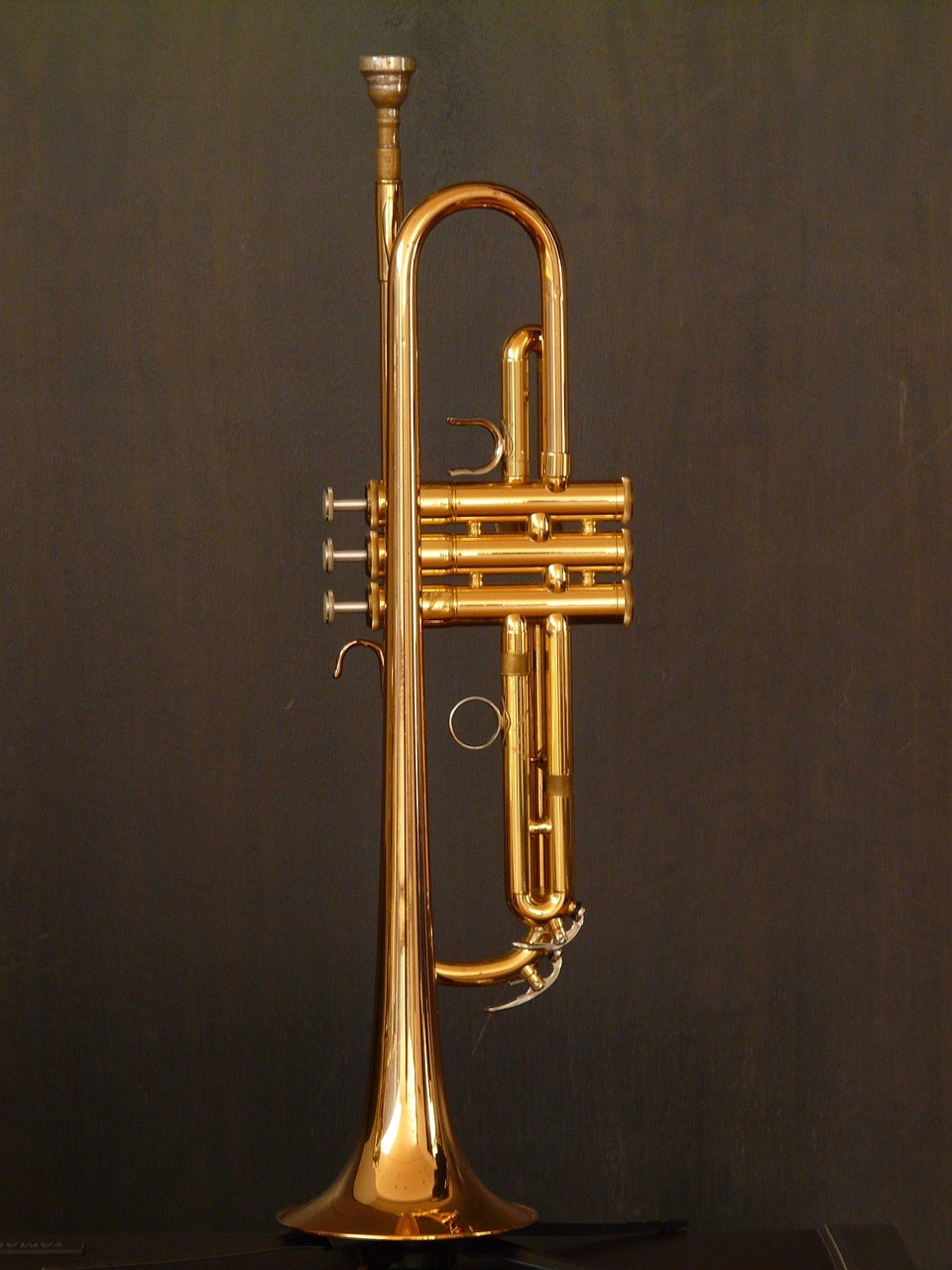
Brass naturally develops tarnish over time due to oxidation and exposure to oils from handling. Cleaning it properly restores its shine while protecting the metal from damage. With the right materials and method, you can refresh brass items quickly and safely.
What You'll Need
• Mild dish soap
• Warm water
• Lemon and baking soda or vinegar (optional natural cleaners)
• Commercial brass cleaner (optional)
Steps
Determine whether your brass item is solid brass or brass-plated by checking for magnetism—solid brass is not magnetic.
Mix a bowl of warm water with a few drops of mild dish soap.
Dip a soft cloth into the soapy water and gently wipe the brass to remove surface dirt and oils.
Rinse the item with clean water and dry it completely with a microfiber cloth.
For tarnish removal, create a paste using lemon juice and baking soda (or use vinegar) and gently rub it onto the brass.
Rinse the paste off thoroughly and buff the brass with a dry cloth until shiny.
If deeper tarnish remains, apply a small amount of commercial brass cleaner following the product instructions.
Buff the item to a polished finish and avoid touching it excessively to reduce new tarnish.
Alternative Methods
• Use ketchup as a mild acidic cleaner for light tarnish
• Polish with a mixture of flour, salt, and vinegar for a natural paste
• Use a brass tumbler/polishing machine for small brass items like casings
What NOT to Do
• Do not use abrasive scrubbers that can scratch brass
• Do not soak brass-plated items in acidic solutions
• Do not leave natural acid cleaners on brass for too long
• Do not use ammonia-based cleaners on antique brass
FAQs
How can I tell if my brass is lacquered?
Lacquered brass has a shiny, uniform coating and won’t tarnish in spots. If it looks perfectly glossy, it’s likely coated.
Can I clean brass with toothpaste?
Yes—non-gel, non-whitening toothpaste can polish brass, but use it gently to avoid scratching.
How often should brass be cleaned?
Lightly handled items may only need polishing a few times per year, while frequently touched pieces may require monthly cleaning.
This article is for informational purposes only. Always follow manufacturer instructions and use proper safety precautions. You assume all risk for any actions you take based on this guide.
Articles
Read our latest guides
Discover step-by-step methods for removing stains and cleaning every type of surface.

How to Clean Oil Paint Brushes
Learn how to safely and effectively clean oil paint brushes without damaging the bristles.
Read more
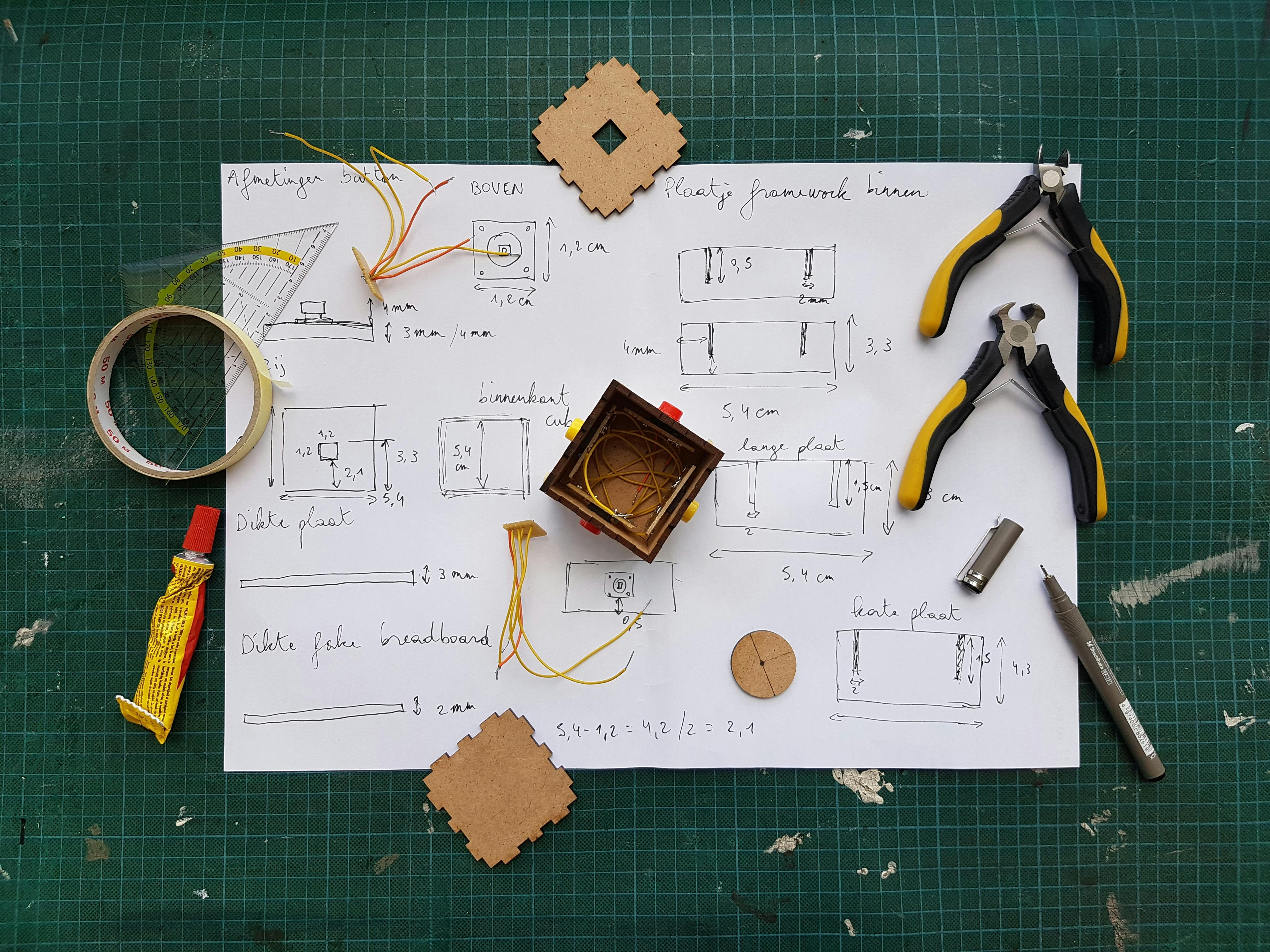
How to Clean a Cricut Mat
Learn how to safely clean a Cricut mat without damaging its adhesive, so it stays sticky and ready for crafting.
Read more
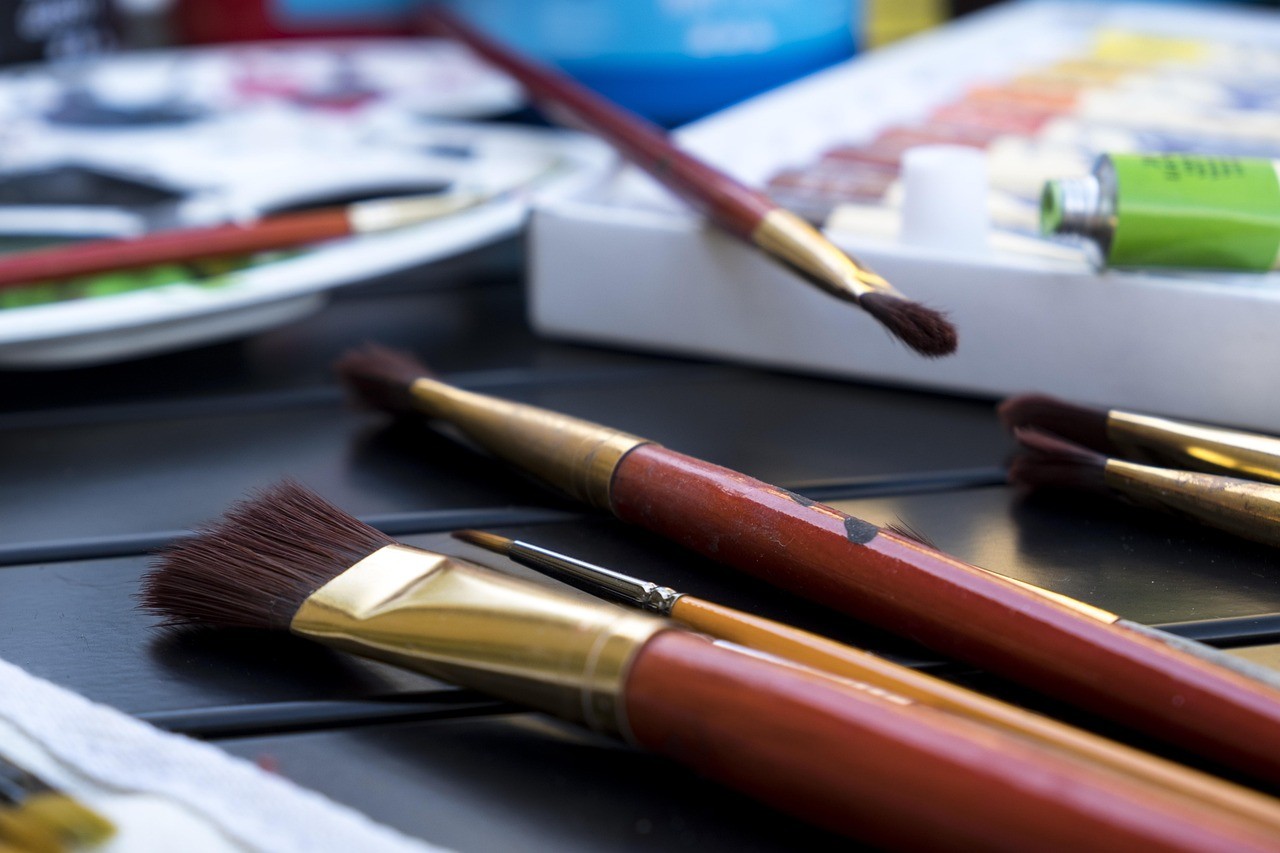
How to Clean Acrylic Paint Brushes
Learn how to remove acrylic paint from your brushes before it dries, helping them last longer and perform better.
Read more