Introduction
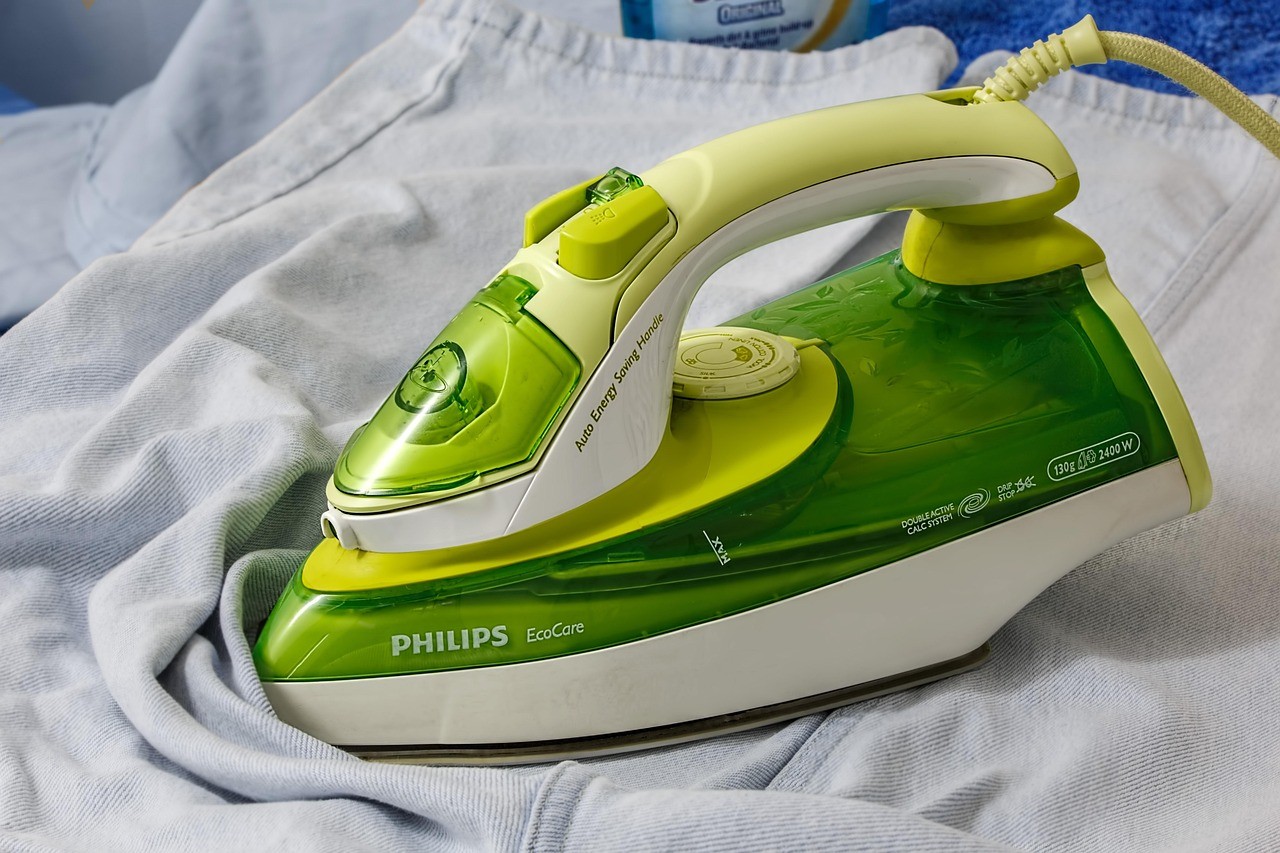
Over time, irons can develop mineral buildup, sticky residue, or dark marks on the soleplate, which can transfer onto your clothes. A dirty iron also heats unevenly and performs poorly. Cleaning your iron regularly helps it glide smoothly, prevents fabric damage, and keeps it functioning efficiently.
What You'll Need
• Distilled white vinegar
• Baking soda
• Soft cloth or microfiber cloth
• Toothpick or wooden skewer
• Water
• Optional: commercial iron cleaner
Steps
Make sure the iron is unplugged and completely cool before you start cleaning.
Mix a paste of baking soda and a small amount of water, then gently rub it onto the iron’s soleplate using a soft cloth to lift residue or scorch marks.
Wipe the soleplate clean with a damp cloth to remove all traces of the baking soda paste.
Fill the iron’s water reservoir halfway with equal parts distilled white vinegar and water.
Turn on the iron and set it to the steam setting, allowing it to steam for a few minutes to break down mineral buildup inside the vents.
Turn off the iron, let it cool, then empty the reservoir completely.
Dip a cotton swab in vinegar and gently clean the steam holes. Use a toothpick if necessary to dislodge stubborn buildup.
Refill the reservoir with clean water and run the steam function again to flush out any remaining residue.
Wipe the exterior and soleplate with a dry microfiber cloth before storing.
Alternative Methods
• Use a commercial iron cleaner designed specifically for removing scorch marks and buildup from the soleplate.
• For non-stick soleplates, simply warm the iron slightly and wipe with a damp cloth dipped in mild dish soap.
• Run the iron over a salt-covered piece of parchment paper to remove sticky residue from the soleplate.
• For mineral-heavy water areas, regularly use distilled water only to delay buildup.
What NOT to Do
• Do not scrape the soleplate with metal tools, as this can permanently damage the surface.
• Avoid using abrasive pads, which can scratch the iron and affect performance.
• Do not pour vinegar into irons with manufacturer warnings against acidic cleaners.
• Never clean the iron while it is plugged in or still hot.
FAQs
Why does my iron leave brown stains on clothing?
This is usually caused by mineral deposits or burnt residue on the soleplate. Cleaning the soleplate and steam vents typically resolves the issue.
Can I use tap water in my iron?
Most irons work best with distilled water, especially in areas with hard water. Tap water can cause mineral buildup over time.
How often should I clean my iron?
If you use your iron frequently, clean it every one to two months. Light users can clean it every few months or when you notice performance changes.
This article is for informational purposes only. Always follow manufacturer instructions and use proper safety precautions. You assume all risk for any actions you take based on this guide.
Articles
Read our latest guides
Discover step-by-step methods for removing stains and cleaning every type of surface.

How to Clean Oil Paint Brushes
Learn how to safely and effectively clean oil paint brushes without damaging the bristles.
Read more
How to Clean a Cricut Mat
Learn how to safely clean a Cricut mat without damaging its adhesive, so it stays sticky and ready for crafting.
Read more
How to Clean Acrylic Paint Brushes
Learn how to remove acrylic paint from your brushes before it dries, helping them last longer and perform better.
Read more