Introduction
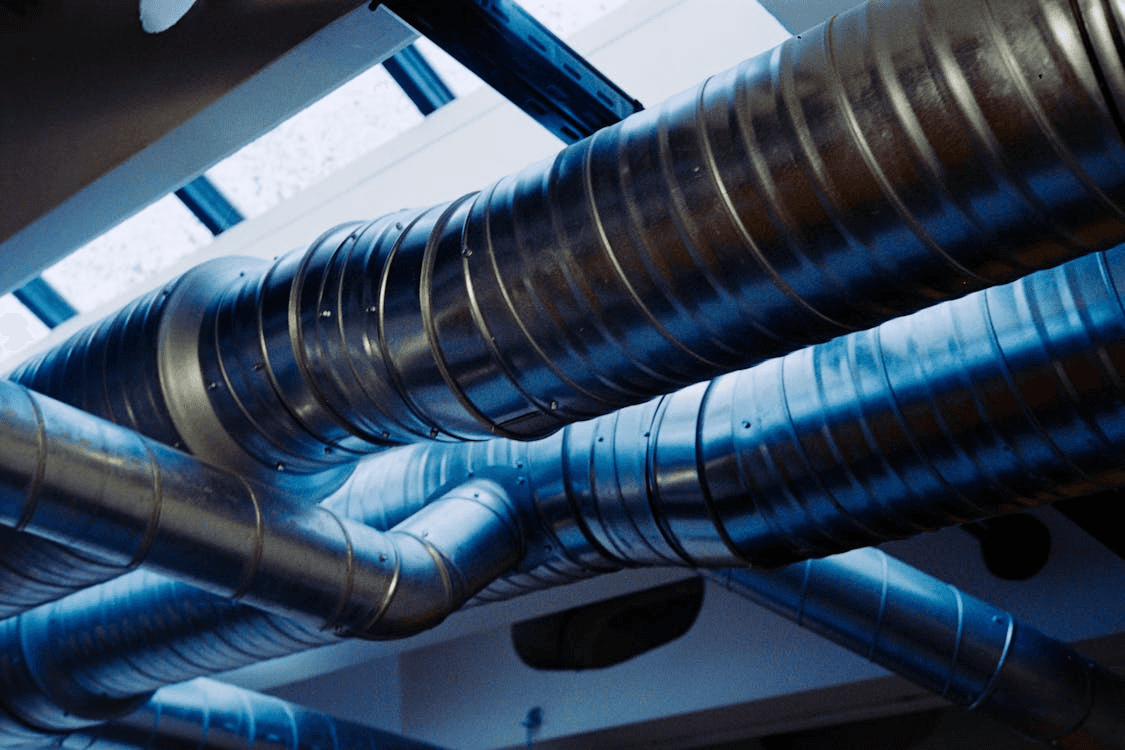
A dirty evaporator coil can reduce cooling efficiency, cause higher energy bills, and stress your HVAC system. Regular cleaning helps maintain proper airflow and prevents system breakdowns. This guide walks you through safe, effective methods to clean an evaporator coil.
What You'll Need
Steps
Turn off power to the HVAC system at the thermostat and breaker panel.
Remove the access panel using a screwdriver to expose the evaporator coil.
Use a soft brush or vacuum brush attachment to gently remove loose dust and debris.
Apply a foaming coil cleaner evenly across the coil surface as directed on the label.
Allow the foam to expand and break down grime, then drip into the drain pan.
Check the drain pan and drain line for buildup and wipe clean if needed.
Use a fin comb to straighten any bent coil fins to improve airflow.
Reattach the access panel and restore power to the unit.
Run the system briefly to ensure proper operation.
Alternative Methods
• Use a no-rinse evaporator coil spray for light maintenance cleaning
• Hire a professional HVAC technician for deep or yearly cleaning
• Use compressed air to blow debris away in hard-to-reach spots
What NOT to Do
• Do not use high-pressure water, which can bend fins or damage coils
• Do not use harsh chemicals that are not coil-safe
• Do not attempt cleaning with the power on
FAQs
How often should I clean my evaporator coil?
Most coils should be cleaned annually, but homes with pets, dust, or allergies may need more frequent maintenance.
Can I clean my evaporator coil without removing it?
Yes. Most coil cleaners are designed for in-place cleaning, as long as you can access the coil.
Why does my coil freeze up?
A dirty coil restricts airflow, which can cause ice buildup. Cleaning the coil often resolves this issue.
This article is for informational purposes only. Always follow manufacturer instructions and use proper safety precautions. You assume all risk for any actions you take based on this guide.
Articles
Read our latest guides
Discover step-by-step methods for removing stains and cleaning every type of surface.

How to Clean Oil Paint Brushes
Learn how to safely and effectively clean oil paint brushes without damaging the bristles.
Read more
How to Clean a Cricut Mat
Learn how to safely clean a Cricut mat without damaging its adhesive, so it stays sticky and ready for crafting.
Read more

How to Clean Acrylic Paint Brushes
Learn how to remove acrylic paint from your brushes before it dries, helping them last longer and perform better.
Read more