Introduction
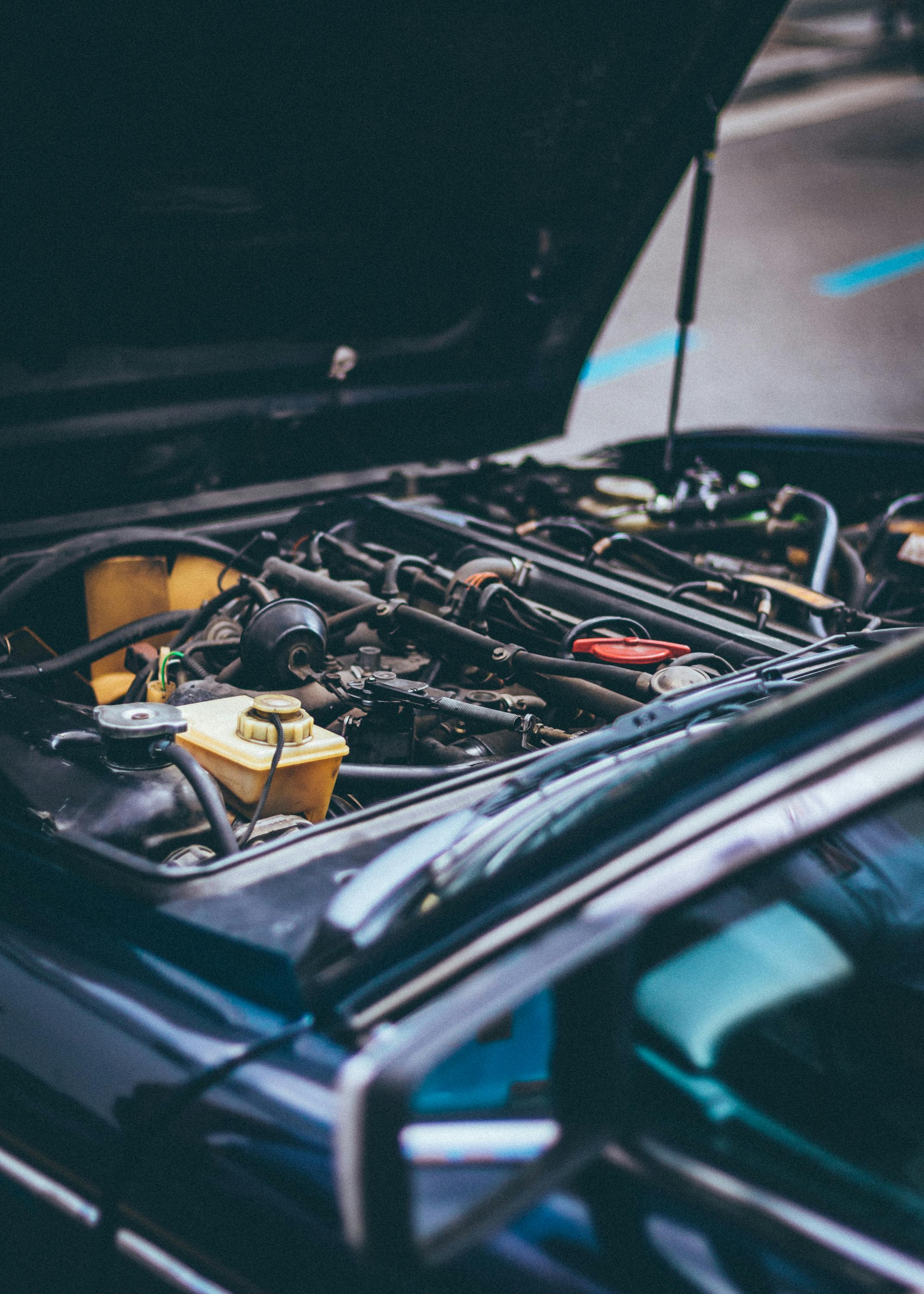
A clean engine bay not only looks better but also helps you spot leaks, worn parts, and potential issues early. Proper cleaning prevents grime buildup and keeps your vehicle running efficiently—just make sure you use the right techniques to avoid causing damage.
What You'll Need
• Plastic bags or foil (to cover sensitive components)
• Degreaser or engine-safe cleaner
• Soft brushes
• Microfiber towels
Steps
Let the engine cool completely before starting.
Disconnect the battery or cover terminals for safety.
Cover electrical components such as alternators, exposed wiring, and air intakes using plastic bags or foil.
Remove loose debris by brushing or blowing it out of the engine bay.
Apply an engine-safe degreaser to dirty areas and allow it to sit for several minutes.
Scrub grease and grime using soft brushes, focusing on buildup around valves, hoses, and caps.
Rinse gently using a low-pressure hose or sprayer—avoid directly blasting sensitive areas.
Wipe down surfaces with microfiber towels and allow the engine bay to dry fully.
Remove protective coverings and reconnect the battery.
Alternative Methods
• Use a steam cleaner for a water-reduced, gentle deep clean.
• Try waterless engine cleaners if you prefer a no-rinse approach.
• Use compressed air to blow out dust and debris instead of rinsing.
What NOT to Do
• Don’t spray high-pressure water directly at electrical parts.
• Don’t clean a hot engine—rapid temperature changes can damage components.
• Don’t use harsh household chemicals that may corrode metal or plastic.
FAQs
Can I clean the engine bay myself, or should I hire a professional?
You can safely clean it yourself as long as you follow proper precautions. Professionals are best for heavily soiled or delicate engines.
How often should I clean my engine bay?
Most vehicles only need cleaning every 6–12 months, depending on driving conditions.
Will cleaning the engine bay improve performance?
Cleaning won’t boost horsepower, but it helps reduce wear, prevents buildup, and makes maintenance easier.
This article is for informational purposes only. Always follow manufacturer instructions and use proper safety precautions. You assume all risk for any actions you take based on this guide.
Articles
Read our latest guides
Discover step-by-step methods for removing stains and cleaning every type of surface.

How to Clean Oil Paint Brushes
Learn how to safely and effectively clean oil paint brushes without damaging the bristles.
Read more
How to Clean a Cricut Mat
Learn how to safely clean a Cricut mat without damaging its adhesive, so it stays sticky and ready for crafting.
Read more

How to Clean Acrylic Paint Brushes
Learn how to remove acrylic paint from your brushes before it dries, helping them last longer and perform better.
Read more