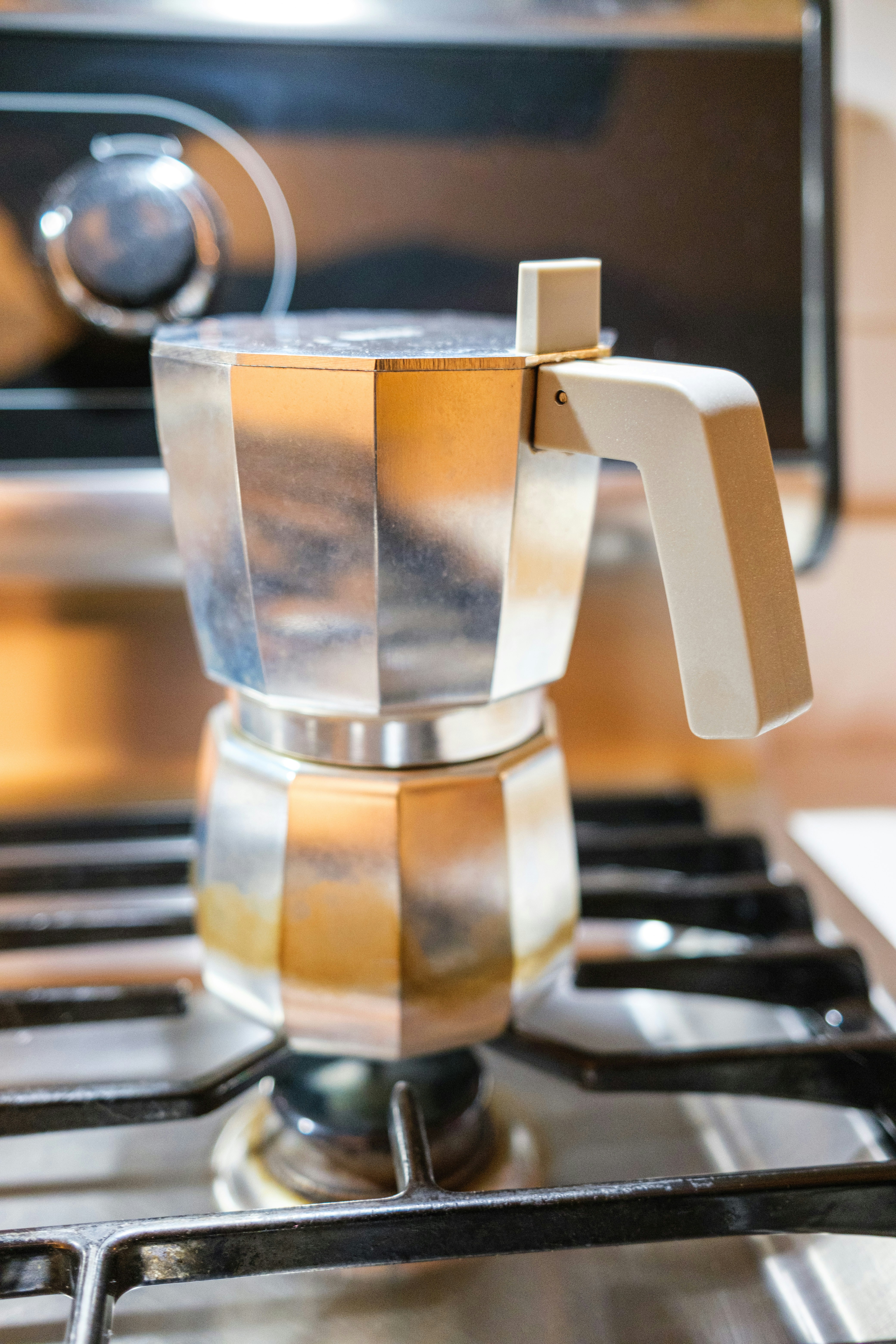
Introduction
Aluminum is durable, lightweight, and widely used—but it also stains, dulls, and oxidizes easily. Cleaning it properly prevents surface damage and keeps cookware, outdoor furniture, and other aluminum items looking bright and polished.
What You'll Need
• Mild dish soap
• Warm water
• Soft sponge or microfiber cloth
• White vinegar
• Baking soda
• Soft-bristle brush
• Aluminum polish (optional)
Steps
Mix warm water with a few drops of mild dish soap in a bowl or bucket.
Dip a soft sponge or cloth into the soapy water and gently scrub the aluminum surface to remove dirt and grease.
Rinse thoroughly with clean water to wash away soap residue.
To remove oxidation, saturate a cloth with white vinegar and rub the affected areas until the discoloration fades.
For stubborn spots, make a paste of baking soda and water, apply it gently, and scrub with a soft-bristle brush.
Rinse again and dry completely with a microfiber cloth to prevent water spots.
If desired, apply aluminum polish following manufacturer instructions to restore shine.
Alternative Methods
• Use lemon juice as a natural alternative to vinegar for oxidation removal
• Try a commercial aluminum cleaner specifically formulated for cookware or outdoor metal
• For heavily oxidized items, use a fine-grade steel wool labeled safe for aluminum
What NOT to Do
• Do not use bleach—it reacts with aluminum and can damage the surface
• Do not scrub aggressively with coarse abrasives that can scratch the metal
• Do not leave aluminum soaking for long periods, as it may discolor
FAQs
Does vinegar damage aluminum?
No—vinegar is safe for aluminum when used briefly and rinsed thoroughly. Long-term soaking should be avoided.
Why does aluminum turn dull or chalky?
This is oxidation, a natural reaction when aluminum is exposed to air and moisture. It’s harmless and removable with mild acids like vinegar.
Can I use oven cleaner on aluminum?
No. Oven cleaner is too harsh and can permanently discolor or weaken aluminum surfaces.
This article is for informational purposes only. Always follow manufacturer instructions and use proper safety precautions. You assume all risk for any actions you take based on this guide.
Articles
Read our latest guides
Discover step-by-step methods for removing stains and cleaning every type of surface.

How to Clean Oil Paint Brushes
Learn how to safely and effectively clean oil paint brushes without damaging the bristles.
Read more
How to Clean a Cricut Mat
Learn how to safely clean a Cricut mat without damaging its adhesive, so it stays sticky and ready for crafting.
Read more
How to Clean Acrylic Paint Brushes
Learn how to remove acrylic paint from your brushes before it dries, helping them last longer and perform better.
Read more