Introduction
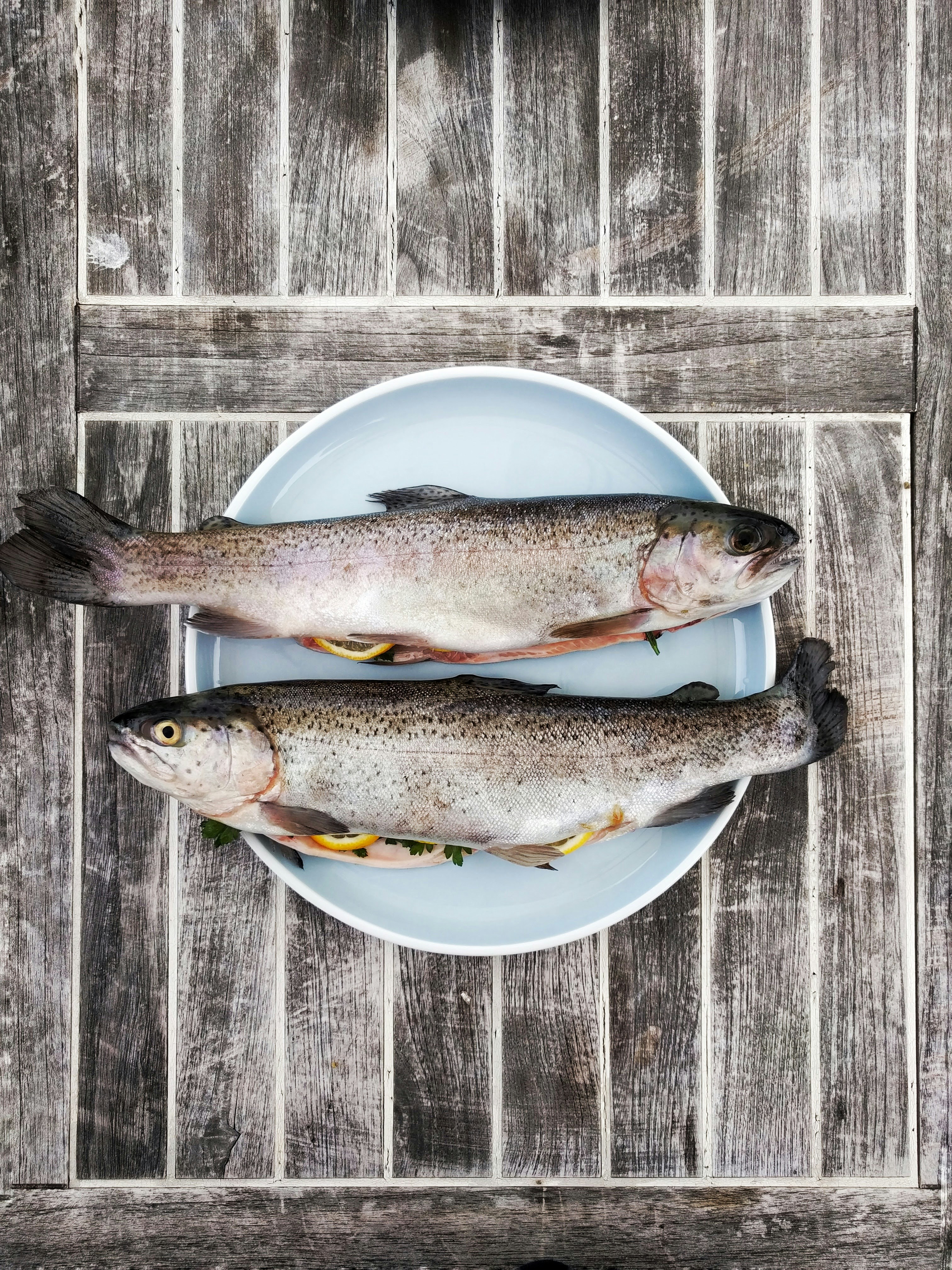
Cleaning a trout is a simple but essential step before cooking. Removing the guts, rinsing thoroughly, and prepping the fish correctly ensures better flavor, texture, and food safety. With a few basic tools and the right technique, you can have a trout ready for the pan or grill in minutes.
What You'll Need
• Sharp fillet or boning knife
• Gloves (optional)
• Clean water
• Paper towels
• Trash bag or container for waste
Steps
Rinse the trout under cool running water to remove dirt or debris.
Lay the trout on the cutting board and hold it firmly by the head.
Insert the knife into the belly near the vent and carefully cut up toward the head.
Open the cavity and remove the guts with your fingers or the knife tip.
Rinse the inside of the trout thoroughly to remove all remaining residue.
Use the knife to scrape away any bloodline or dark tissue along the spine.
Pat the trout dry with paper towels and prepare it for cooking or storage.
Alternative Methods
• Use kitchen shears instead of a knife for easier control
• Remove the head and tail if preferred for certain recipes
• Butterfly the trout by removing the spine for faster cooking
What NOT to Do
• Do not use hot water, which can affect the fish’s texture
• Do not leave guts in the fish for extended periods—this affects flavor
• Do not use a dull knife, which increases the risk of slipping
FAQs
Do I need to scale a trout before cooking it?
Most trout have very fine scales that soften during cooking, but you can remove them with the back of a knife if desired.
Can I freeze trout after cleaning it?
Yes, trout can be frozen after cleaning. Pat it dry, wrap it well, and freeze promptly.
How soon should I clean a trout after catching it?
Ideally within a couple of hours to maintain freshness and prevent spoilage.
This article is for informational purposes only. Always follow manufacturer instructions and use proper safety precautions. You assume all risk for any actions you take based on this guide.
Articles
Read our latest guides
Discover step-by-step methods for removing stains and cleaning every type of surface.

How to Clean Oil Paint Brushes
Learn how to safely and effectively clean oil paint brushes without damaging the bristles.
Read more
How to Clean a Cricut Mat
Learn how to safely clean a Cricut mat without damaging its adhesive, so it stays sticky and ready for crafting.
Read more
How to Clean Acrylic Paint Brushes
Learn how to remove acrylic paint from your brushes before it dries, helping them last longer and perform better.
Read more