Introduction
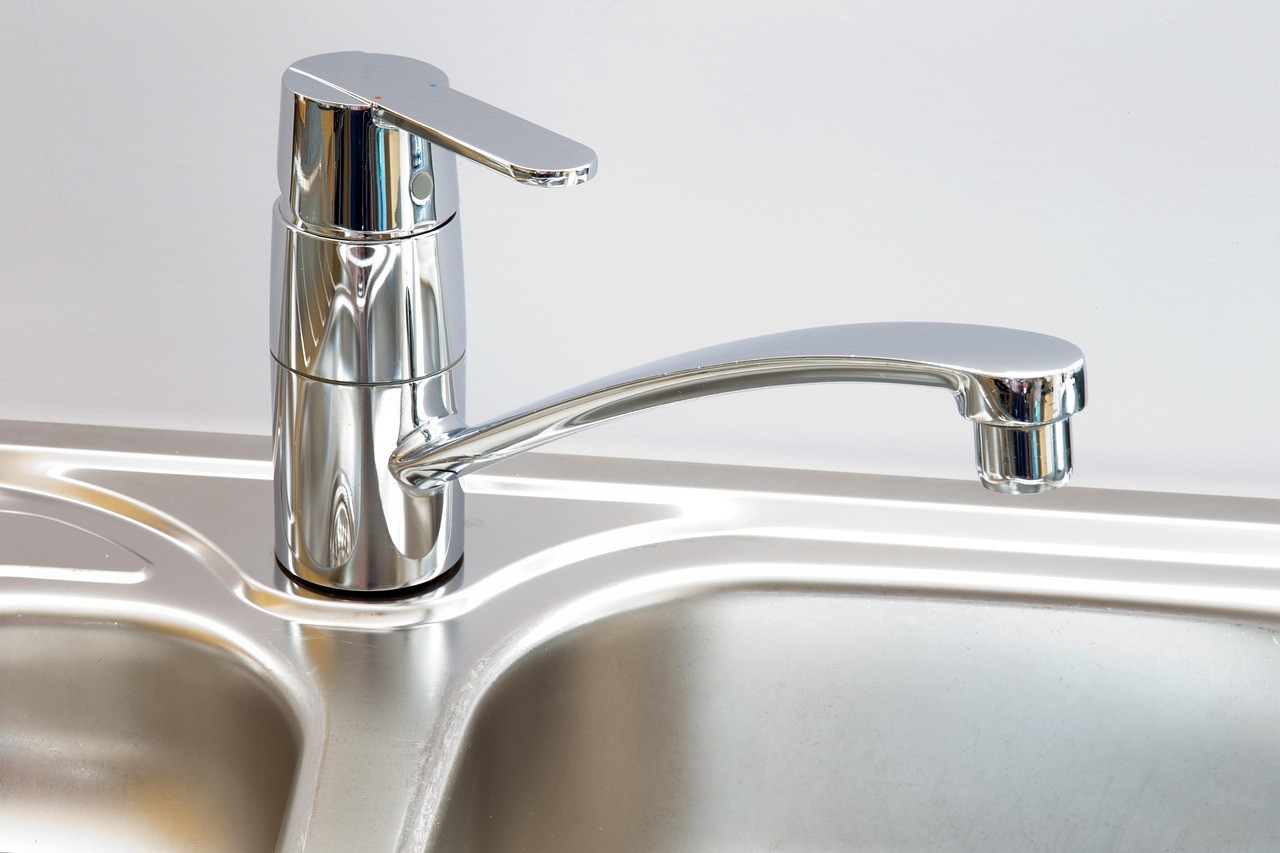
A stainless steel sink can lose its shine over time due to hard water stains, food residue, and soap scum. Cleaning it properly not only restores its shine but also prevents bacteria buildup and unpleasant odors. With the right techniques, you can make your sink look brand new again.
What You'll Need
• Baking soda
• White vinegar
• Dish soap
• Soft sponge or cloth
• Lemon (optional)
• Olive oil or stainless steel polish (optional)
Steps
Rinse the sink with warm water to remove loose debris.
Sprinkle baking soda over the entire basin to form a light scrub layer.
Use a soft sponge to scrub in circular motions, focusing on stains or buildup.
Pour or spray white vinegar over the baking soda and let it fizz for a minute.
Rinse thoroughly with warm water to wash away residue.
Add a few drops of dish soap to a sponge and clean around the drain and faucet.
Rinse again and dry with a microfiber cloth to prevent water spots.
(Optional) Rub a small amount of olive oil or stainless steel polish onto the surface for a streak-free shine.
Alternative Methods
• Use club soda and a microfiber cloth for a quick polish.
• Scrub with a paste of cream of tartar and water to remove tough stains.
• Use half a lemon with salt to deodorize and brighten the sink.
What NOT to Do
• Do not use steel wool or abrasive pads — they can scratch the steel.
• Avoid bleach, which can discolor and damage stainless steel.
• Do not leave metal cans or cast-iron pans sitting in the sink; they cause rust stains.
FAQs
How often should I clean my stainless steel sink?
A quick daily rinse and wipe is ideal, with a deeper clean once a week.
Why does my stainless steel sink look dull?
Hard water spots, soap residue, and mineral buildup can reduce shine. Regular polishing helps restore brightness.
Can I use vinegar on stainless steel?
Yes — vinegar is safe and effective for removing mineral deposits, as long as you rinse thoroughly.
This article is for informational purposes only. Always follow manufacturer instructions and use proper safety precautions. You assume all risk for any actions you take based on this guide.
Articles
Read our latest guides
Discover step-by-step methods for removing stains and cleaning every type of surface.

How to Clean Oil Paint Brushes
Learn how to safely and effectively clean oil paint brushes without damaging the bristles.
Read more
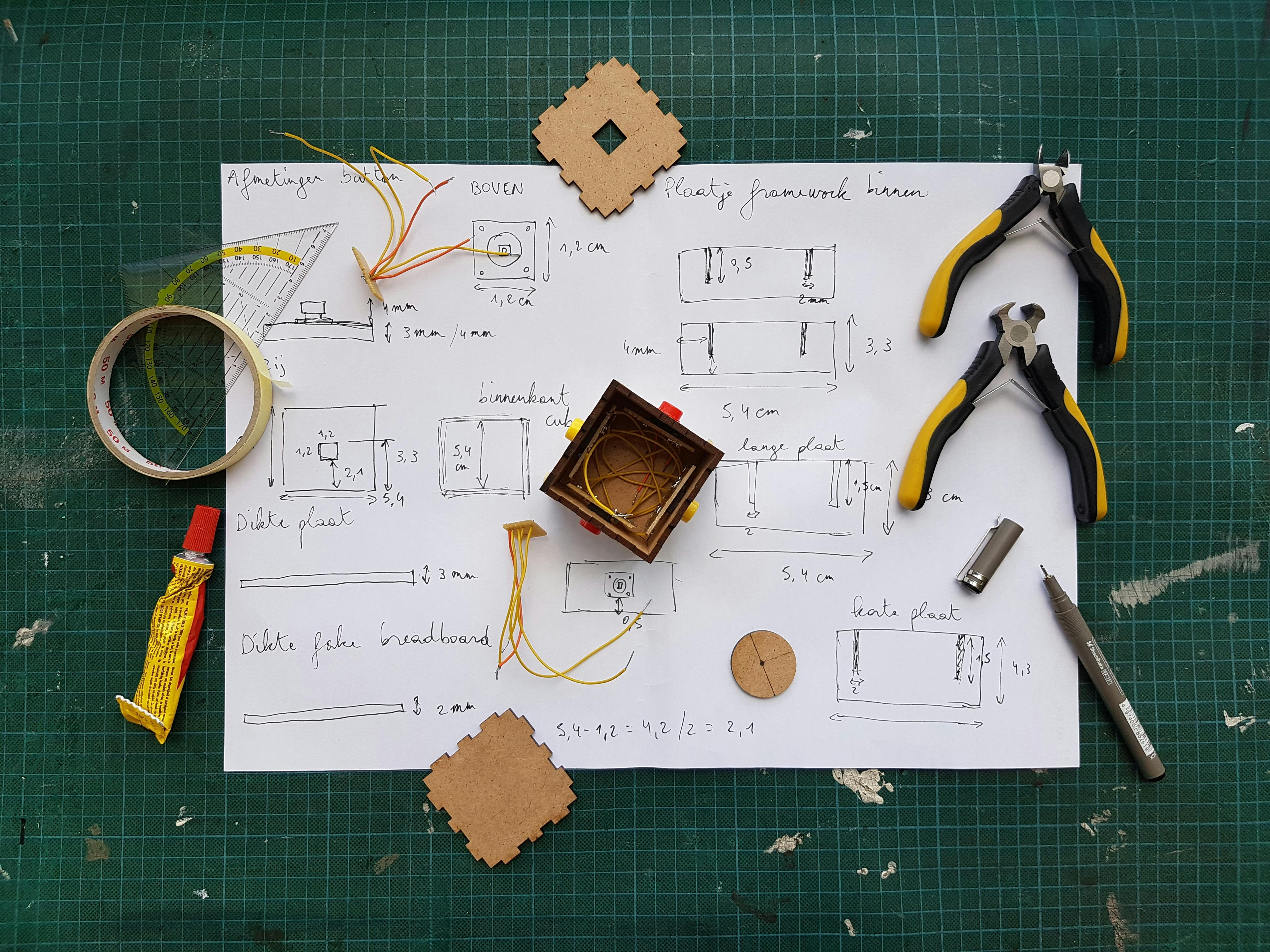
How to Clean a Cricut Mat
Learn how to safely clean a Cricut mat without damaging its adhesive, so it stays sticky and ready for crafting.
Read more
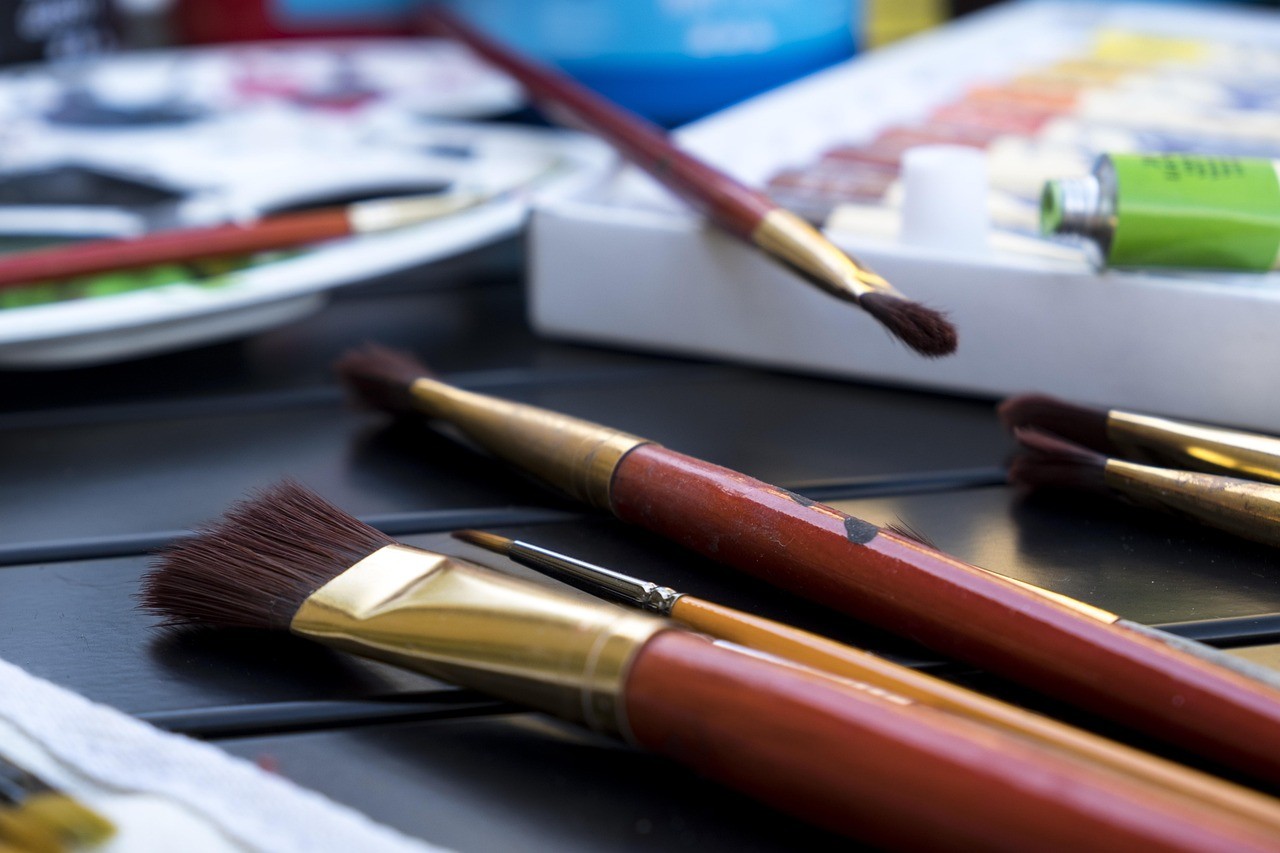
How to Clean Acrylic Paint Brushes
Learn how to remove acrylic paint from your brushes before it dries, helping them last longer and perform better.
Read more