Introduction
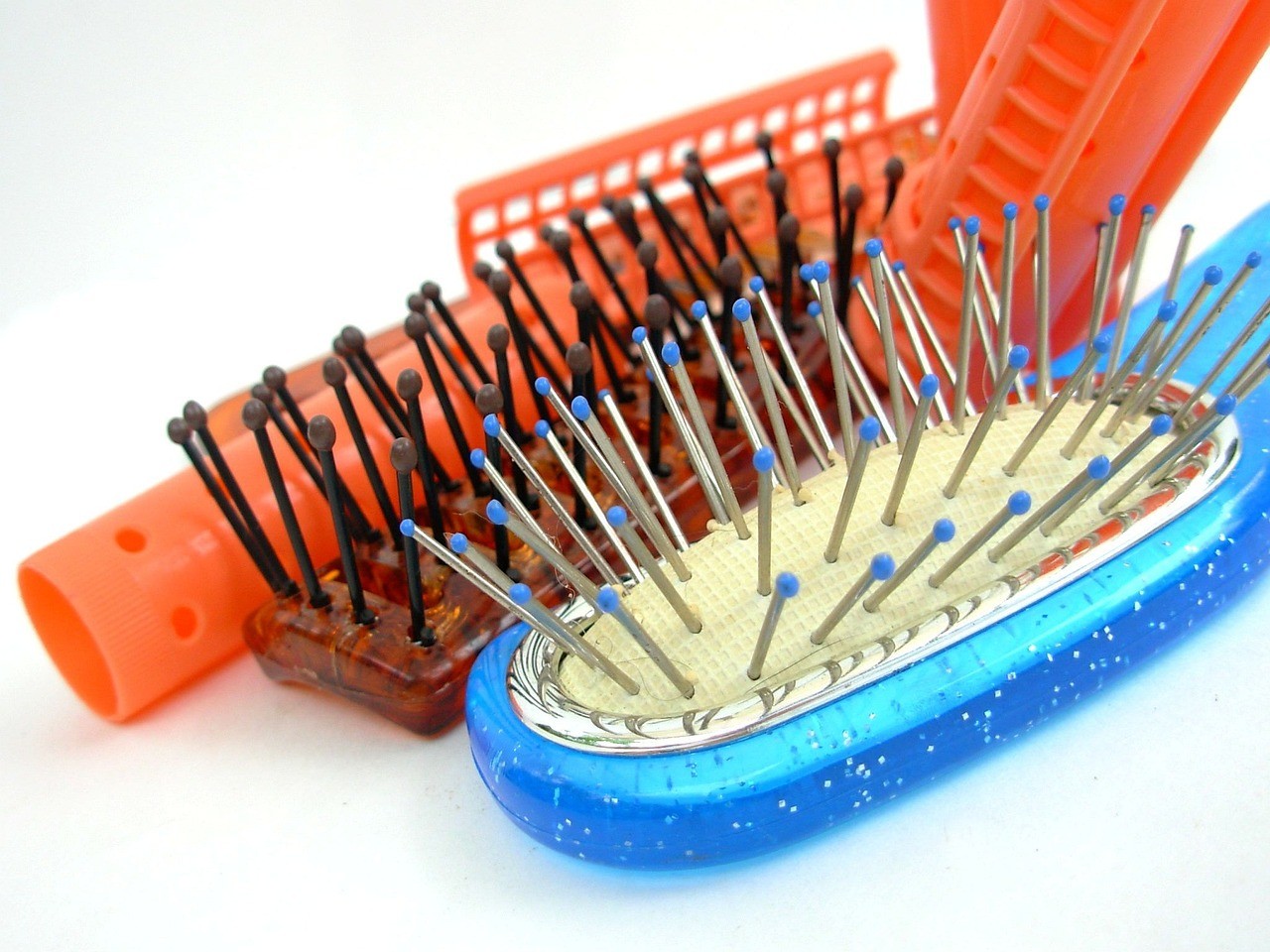
Hairbrushes collect loose hair, oils, dust, lint, and product residue over time. A dirty brush can transfer buildup back onto your hair, making it greasy or dull. Regular cleaning helps your brush last longer, reduces bacteria, and keeps your hair cleaner between washes. Thankfully, the process is fast and easy with just a few household items.
What You'll Need
• A comb or pointed tool for removing hair
• Warm water
• Dish soap or gentle shampoo
• Baking soda (optional)
• A toothbrush or small cleaning brush
• Towel for drying
Steps
Remove all hair from the brush using your fingers or a comb. Lift hair from the base to avoid pulling out bristles.
Fill a bowl or sink with warm water and add a few drops of dish soap or gentle shampoo.
Dip the brush head into the soapy water. Avoid soaking wooden brushes fully, as water can damage the handle.
Use a toothbrush or small cleaning brush to scrub between bristles and along the base where buildup collects.
For stubborn residue, sprinkle a small amount of baking soda onto the bristles and scrub again.
Rinse the brush under warm running water until all soap and debris are removed.
Shake off excess water and place the brush bristle-side down on a towel to dry completely before using it again.
Alternative Methods
• Use a mixture of water and white vinegar to sanitize the brush naturally.
• For plastic brushes, soak the brush fully in warm soapy water for deeper cleaning.
• Use an enzyme-based cleaner for heavy product buildup.
What NOT to Do
• Do not soak wooden-handled brushes, as it can cause swelling or cracking.
• Do not use boiling water, which can warp plastic bristles.
• Avoid harsh chemicals like bleach, which can weaken bristles and leave residue.
FAQs
How often should I clean my hairbrush?
Clean your brush every one to two weeks, depending on how often you use styling products.
Why is there lint in my brush?
Lint collects from dust, fabric fibers, and product residue mixing with hair oils. Cleaning removes this buildup.
Can I clean a paddle brush the same way?
Yes, but avoid soaking if it has a cushioned base. Instead, dip just the bristles and clean gently with a toothbrush.
This article is for informational purposes only. Always follow manufacturer instructions and use proper safety precautions. You assume all risk for any actions you take based on this guide.
Articles
Read our latest guides
Discover step-by-step methods for removing stains and cleaning every type of surface.

How to Clean Oil Paint Brushes
Learn how to safely and effectively clean oil paint brushes without damaging the bristles.
Read more
How to Clean a Cricut Mat
Learn how to safely clean a Cricut mat without damaging its adhesive, so it stays sticky and ready for crafting.
Read more
How to Clean Acrylic Paint Brushes
Learn how to remove acrylic paint from your brushes before it dries, helping them last longer and perform better.
Read more