Introduction
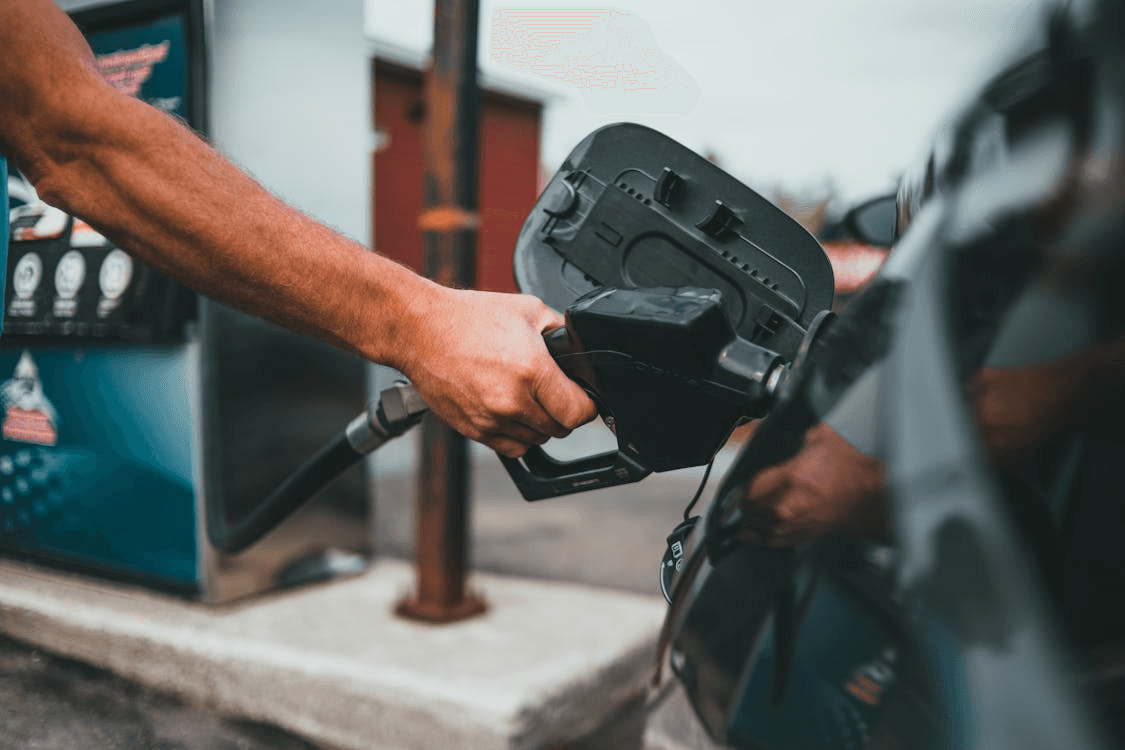
Over time, dirt, rust, and old fuel residue can accumulate inside a gas tank, leading to clogged fuel lines, poor engine performance, or starting issues. Cleaning the gas tank properly helps extend the life of your fuel system and keeps your engine running smoothly.
What You'll Need
• Safety gloves and eye protection
• Drain pan or fuel-safe container
• Socket or wrench set
• Fuel-safe hose or siphon pump
• Clean rags
• Mild degreaser or fuel tank cleaner
• Warm water
• Compressed air or air-drying time
Steps
Disconnect the battery and make sure the vehicle is completely cool before starting.
Drain all fuel from the gas tank into a fuel-safe container using a siphon or drain plug.
Remove the gas tank from the vehicle following manufacturer guidelines.
Rinse the inside of the tank with warm water to remove loose debris.
Add a small amount of fuel tank cleaner or mild degreaser and gently agitate the tank.
Rinse thoroughly with clean water until no residue remains.
Allow the tank to dry completely using compressed air or by air-drying.
Reinstall the gas tank and reconnect all lines and the battery.
Alternative Methods
• Use a commercial fuel tank cleaning kit designed for your vehicle type
• Take the gas tank to a professional shop for ultrasonic or chemical cleaning
• Use a rust-removal solution if corrosion is present inside the tank
What NOT to Do
• Do not use open flames or work near sparks when cleaning a gas tank
• Do not use abrasive tools that can damage the inside of the tank
• Do not reinstall the tank until it is completely dry
FAQs
How often should a gas tank be cleaned?
Gas tanks usually do not need frequent cleaning, but cleaning is recommended if contaminated fuel, rust, or debris is suspected.
Can I clean a gas tank without removing it?
Some light cleaning can be done in place, but thorough cleaning is safest and most effective when the tank is removed.
What are signs that my gas tank needs cleaning?
Common signs include clogged fuel filters, rough engine performance, difficulty starting, or fuel system blockages.
This article is for informational purposes only. Always follow manufacturer instructions and use proper safety precautions. You assume all risk for any actions you take based on this guide.
Articles
Read our latest guides
Discover step-by-step methods for removing stains and cleaning every type of surface.

How to Clean Oil Paint Brushes
Learn how to safely and effectively clean oil paint brushes without damaging the bristles.
Read more
How to Clean a Cricut Mat
Learn how to safely clean a Cricut mat without damaging its adhesive, so it stays sticky and ready for crafting.
Read more

How to Clean Acrylic Paint Brushes
Learn how to remove acrylic paint from your brushes before it dries, helping them last longer and perform better.
Read more