Introduction
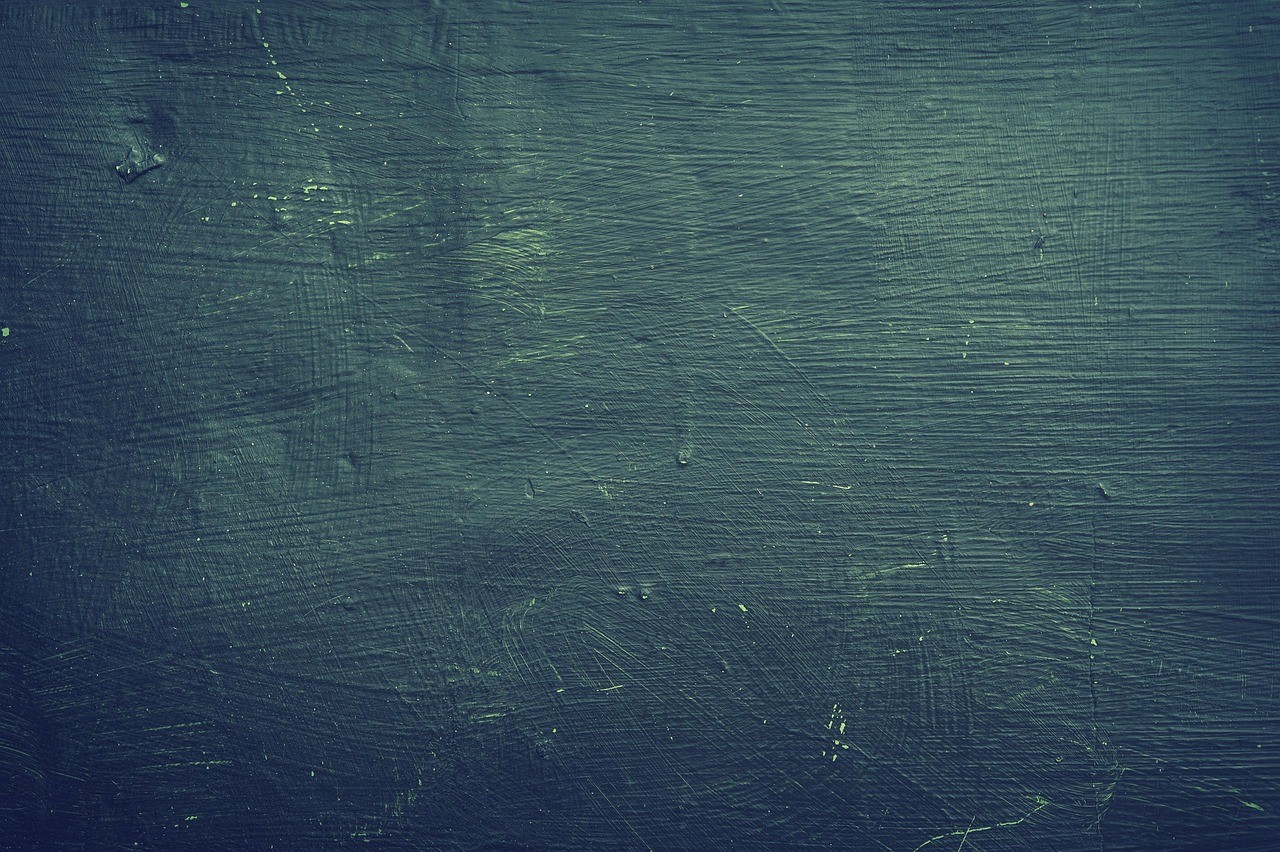
Chalkboards naturally build up dust, residue, and faint leftover writing (known as “ghosting”). Regular cleaning helps the surface stay smooth, readable, and long-lasting. Here’s how to clean your chalkboard properly and safely.
What You'll Need
• Bowl of warm water
• Mild dish soap
• Sponge or eraser
• White vinegar (optional)
• Chalkboard conditioner (optional)
Steps
Dry-wipe the board using a microfiber cloth or chalkboard eraser to remove loose chalk dust.
Mix a small amount of mild dish soap with warm water in a bowl.
Dip a soft cloth or sponge into the soapy water, wring it out well, and gently wipe the entire chalkboard surface.
Rinse the cloth with clean water and wipe the board again to remove any soap residue.
Let the board air-dry completely or wipe it dry with a clean microfiber cloth.
If ghosting remains, apply a mixture of equal parts water and white vinegar, then wipe clean.
Recondition the board (if applicable) by rubbing a stick of chalk over the entire surface and erasing.
Continue numbering as needed
Alternative Methods
• Use a commercial chalkboard spray cleaner for quick maintenance.
• Wipe with a damp cloth dipped in straight white vinegar for heavy residue.
• Use a magic eraser gently on stubborn marks (only on non-porous chalkboards).
What NOT to Do
• Do not soak the chalkboard, as excess water can damage the surface.
• Do not use abrasive scrubbers that can scratch the board.
• Do not use harsh chemicals like bleach or ammonia.
FAQs
Why does my chalkboard look cloudy after cleaning?
Cloudiness or ghosting typically happens when chalk residue gets embedded into the surface. A vinegar–water solution or reconditioning the board usually removes it.
Can I use Windex or glass cleaner on my chalkboard?
It’s not recommended. Many glass cleaners contain ammonia, which can damage the finish or cause streaking.
How often should I deep-clean a chalkboard?
Weekly cleaning is ideal for heavily used boards, while monthly cleaning works for boards used occasionally.
This article is for informational purposes only. Always follow manufacturer instructions and use proper safety precautions. You assume all risk for any actions you take based on this guide.
Articles
Read our latest guides
Discover step-by-step methods for removing stains and cleaning every type of surface.
How to Clean Oil Paint Brushes
Learn how to safely and effectively clean oil paint brushes without damaging the bristles.
Read more
How to Clean a Cricut Mat
Learn how to safely clean a Cricut mat without damaging its adhesive, so it stays sticky and ready for crafting.
Read more
How to Clean Acrylic Paint Brushes
Learn how to remove acrylic paint from your brushes before it dries, helping them last longer and perform better.
Read more